"The Creative Act" by Rick Rubin: Summary and Review

9 min read≈ 2,070 words5 questions · up to 5 points
What this is about
One of the most famous record producers says he has no technical ability and knows little about music. So what does he think creative work really is? You learn the seven ideas of his book, the four phases he sees in every project, and why many readers find the book either wise or too vague.
The book in three sentences· skip ahead
Rubin argues that creativity is not a rare talent but a way of paying attention that everyone has. The artist notices more, receives ideas from what Rubin calls "Source", and shapes them through a project's phases without trying to please an audience. The payoff is a calmer, more patient way to make things, though the book offers attitudes rather than methods.
The Creative Act: A Way of Being
- Author
- Rick Rubin
- Published
- 2023
- Publisher
- Penguin Press
- Length
- 432 pages
- Audiobook
- 5h 45m, read by Rick Rubin
- Best for
- People who make things and feel blocked, judged or rushed, and who want a calmer attitude more than a technique.
In 2023, Rick Rubin told the TV program 60 Minutes that he has no technical ability and knows nothing about music. Yet he is one of the best-known record producers of the last forty years. He co-founded the hip-hop label Def Jam and produced records for artists as different as Run-DMC and Johnny Cash. So what does such a person actually do? The Creative Act: A Way of Being is his answer. It says that his real skill is attention and taste, and that everyone can practise both.
What kind of book this is
The book is not a memoir and not a manual. It has 78 short chapters, which the table of contents calls “78 Areas of Thought”. Most are only a few pages long. Their titles are single ideas, such as “Awareness”, “Self-Doubt”, “Habits”, “Completion” and “Play”. Rubin wrote the book with the journalist Neil Strauss, and it was published by Penguin Press in January 2023.
The chapters do not build one argument step by step. You can open the book anywhere. This review takes the seven ideas that carry most of the book and explains them in a logical order. It then compares the book with three neighbors and says where it falls short.
Everyone is a creator, because creativity is a way of living
Rubin’s first claim is that creativity is not a gift for a few special people. It is a basic part of being human. The first chapter, “Everyone Is a Creator”, says so directly:
Creativity is not a rare ability. It is not difficult to access. Creativity is a fundamental aspect of being human.
For Rubin, to create means to bring something into being that did not exist before. That includes a song or a painting. But it also includes a good conversation, or a new way to arrange your room. We all notice things, choose among them and shape them, every day. So, in his words, “we are all living as artists”, whether we make formal art or not.
This changes the question. The question is no longer “Am I creative?” It becomes “How carefully do I pay attention?” That is why the subtitle calls creativity “a way of being”. It describes a habit of perception, not a job title.
Ideas come from “Source”, and the artist receives them
Rubin’s second claim is the one that divides readers. He believes that ideas do not start inside the artist. They come from what he calls Source, a constant flow of ideas, impressions and possibilities that surrounds everyone. The artist does not produce ideas from nothing. The artist receives them and translates them into a form.
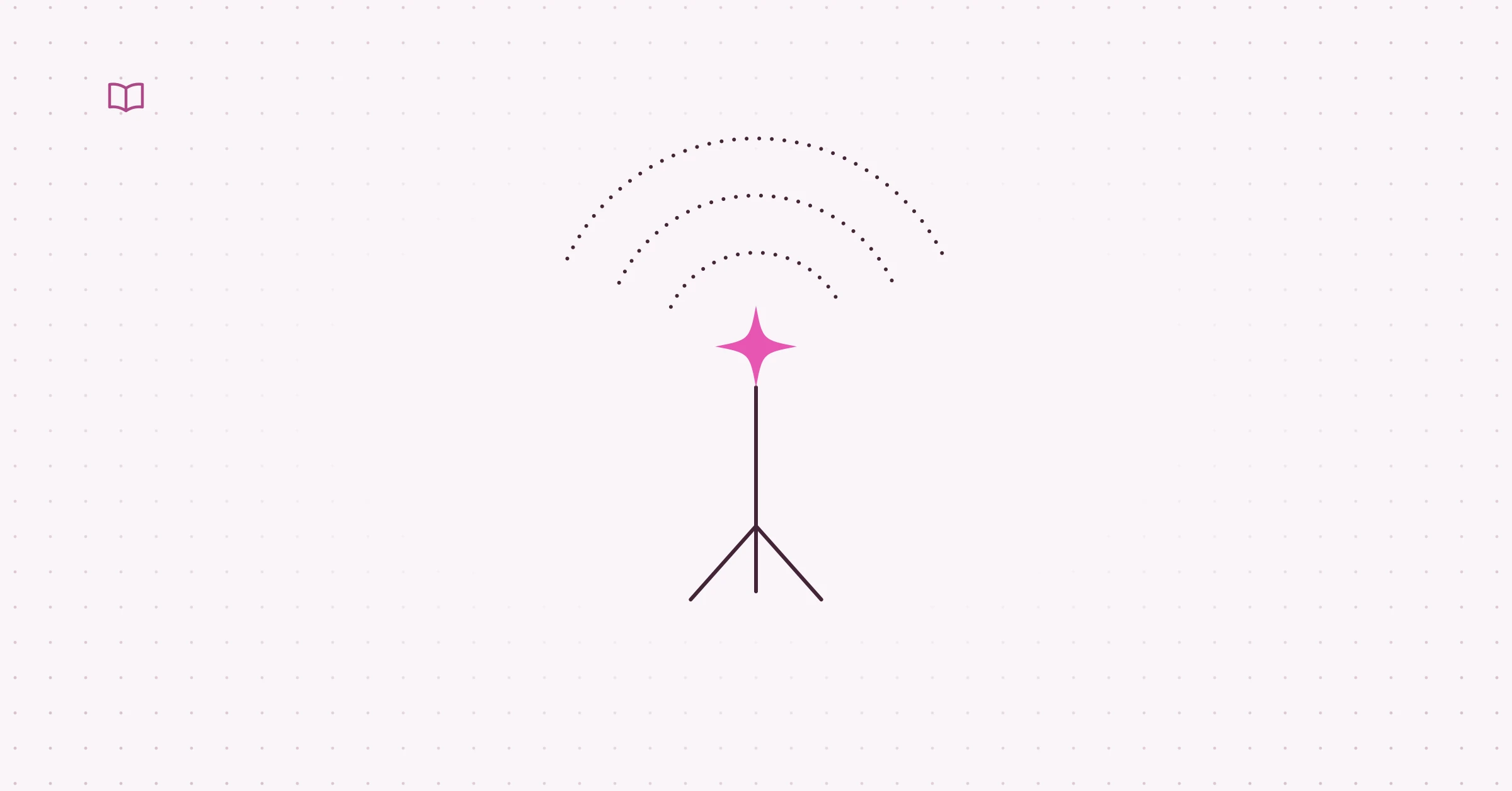
Rubin often compares the artist to an antenna. An antenna does not make the radio signal. It only picks it up. In the same way, he writes, the best artists are the ones with the most sensitive antennae for what is happening around them. This is why he puts so much weight on attention. A good receiver must be quiet enough to pick up a weak signal.
Is Source a real thing? Rubin does not argue for it. In an interview with the magazine Complex, he admitted that he does not really know what it is, only that he feels there is “something”. Some people call it God, he said, and others call it nature. Read in a practical way, the idea still helps. If ideas come from outside you, a bad idea is not a judgment on your worth. You can let it go and wait for the next one.
Awareness is a skill, and your “filter” decides what you notice
If Source is everywhere, why do some people notice more than others? Rubin’s answer is awareness. In the chapter “The Vessel and the Filter”, he describes two parts of every person. The vessel holds everything we take in, such as what we see, hear, read and remember. The filter is everything that shapes how we take it in. It includes our beliefs, our stories about ourselves, our culture and our moods.
The filter is both a problem and a gift. It is a problem because it hides much of what is there. We see what we expect to see. It is a gift because it is what makes each artist’s work personal. Two people who look at the same street will notice different things.
Rubin’s advice follows from this. Look closely at ordinary things. Look at nature, at great works of art and at your own memories. Notice your reactions without judging them at once. Several chapters, such as “Look for Clues”, “Nature as Teacher” and “Look Inward”, repeat this practice from different sides.
Rules are only starting points, so keep a beginner’s mind
The next idea is about rules. Every field has rules. They say how long a pop song should be, how a novel should start, or what a painting should show. Rubin says that rules can help at the start, but they also limit what you can try. In the chapter “Rules” he asks artists to question each rule and to test the opposite. One chapter is called “The Opposite Is True”.
The attitude he recommends is the beginner’s mind, a term from Zen Buddhism. It means meeting a task as if you had never done it before, without assuming you already know the answer. Experts often lose this. They have learned what “works”, so they stop trying anything else. Rubin’s own story fits here. He says he cannot work a mixing desk, so he never had a technician’s habits to unlearn. He listens and reacts like a first-time listener.
A project moves through four phases: seeds, experimentation, crafting and completion
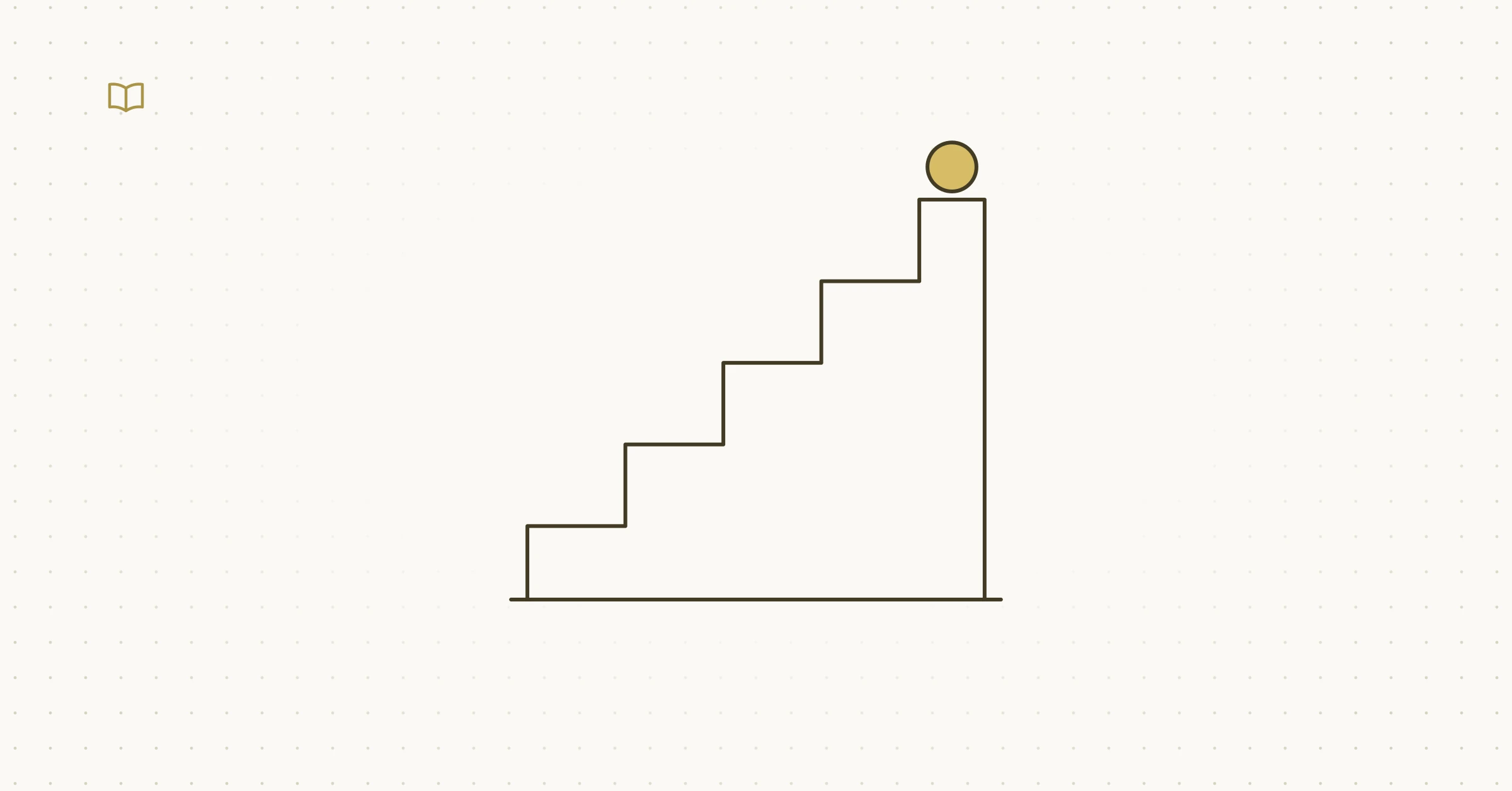
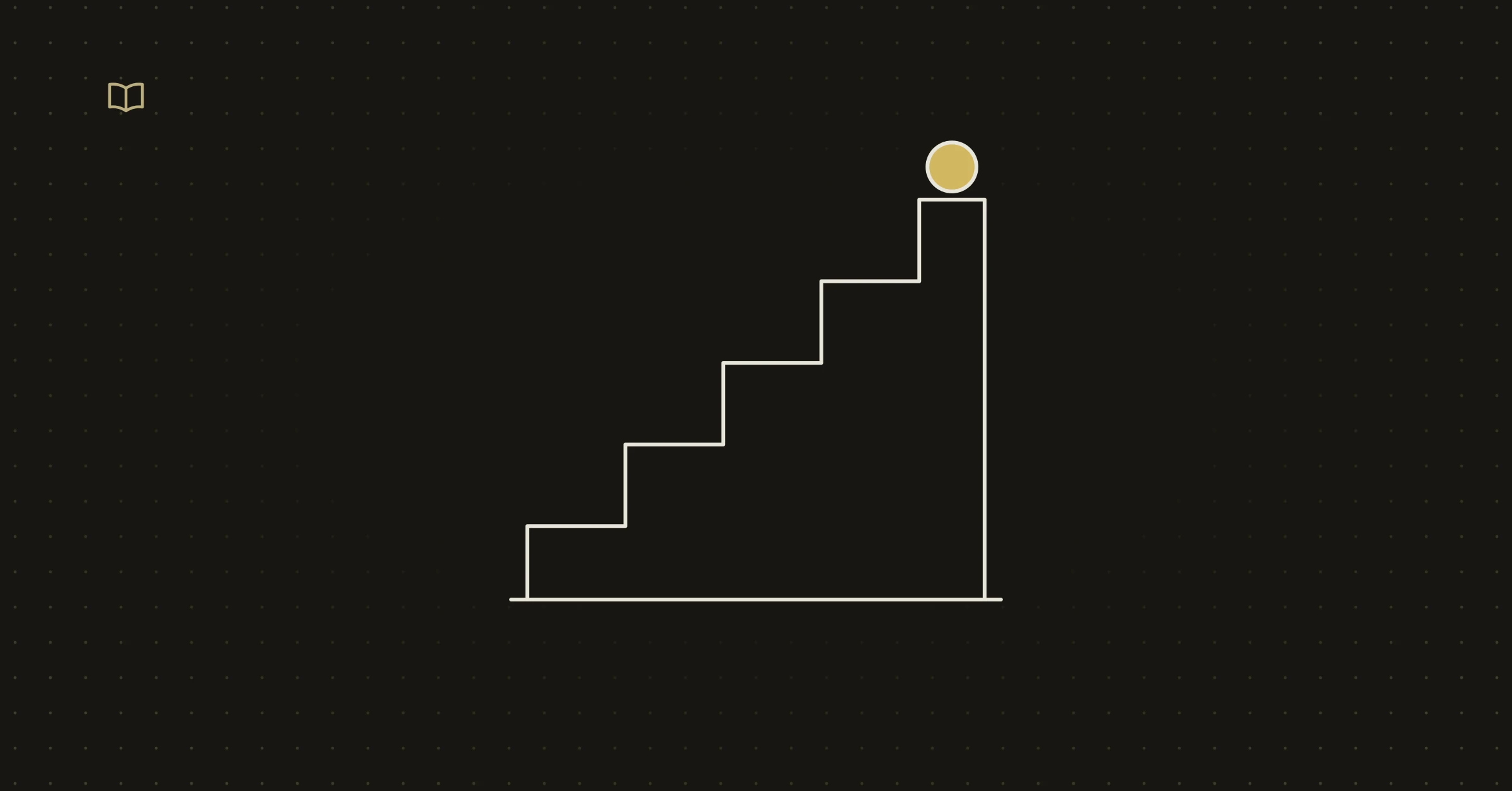
The most concrete part of the book describes how a single project develops. Four chapters, in order, are called “Seeds”, “Experimentation”, “Crafting” and “Completion”. Each phase needs a different attitude.
- Seeds. You collect raw material, such as a melody, a sentence, a photo or a question. You do not judge yet. You only gather.
- Experimentation. You play with the seeds and try many directions to see which ones come alive. The chapter after it is called “Try Everything”.
- Crafting. You choose the most promising direction and do the long work of shaping it. This phase is slow and needs discipline.
- Completion. You finish the work and let it go. Rubin treats finishing as a skill of its own, because many people never stop polishing.
The value of this model is diagnostic. When a project is stuck, ask which phase you are in and whether you are using the right attitude. Many people judge harshly during the seed phase and kill ideas before they grow. Others keep experimenting when it is time to finish. Rubin adds a short chapter called “The Experimenter and the Finisher”. He says most artists lean toward one of the two types and should borrow the strengths of the other.
Make the work for yourself, because the audience comes last
Rubin’s sixth idea is about who the work is for. In one passage he puts the parts of the creative act in a clear order. Inspiration comes first, the artist second, and the audience comes last. In his 60 Minutes interview he explained why. The audience does not know what it wants. It only knows what already exists. If you aim at what people liked before, you can only make copies.
This does not mean that sharing is unimportant. In the Complex interview, Rubin said that playing a finished piece to a friend with good taste is a goal of everything he makes. The point is the order. You make the thing you need to exist, as well as you can, and only then ask who it is for. The chapter “Non-Competition” adds a related thought. Art is not a race against other artists. Comparing yourself with them pulls your attention away from the work.
Creativity needs habits, and habits need a community
The last idea is the least mystical. Rubin says that inspiration does not appear on command, so the artist needs routines that keep the door open. Chapters such as “Habits”, “Practice” and “24/7 (Staying In It)” describe a steady practice. It includes set times, a place to work, and protection from distraction.
One chapter is called “The Art Habit (Sangha)”. A sangha is the community of practitioners in Buddhism. Rubin uses the word for a circle of people who make things and support each other’s work. Being around such people, he says, keeps your own practice alive. This chapter is one of the few places where the book points outward, toward other people, rather than inward.
How it differs from other books on creativity
The Creative Act is often compared with two older books, and a third makes a useful contrast.
- Julia Cameron’s The Artist’s Way is a course with concrete exercises. The best known is the “morning pages”: three pages of handwritten writing about anything, every morning. Rubin shares her belief that creativity has a spiritual side, but he gives no program to follow.
- Steven Pressfield’s The War of Art describes creative work as a daily fight against “Resistance”: self-doubt, fear and the urge to put work off. Pressfield is harsh and military in tone. Rubin is gentle and patient. Both agree that showing up regularly matters more than waiting for inspiration.
- Robert Greene’s Mastery builds its case from the biographies of famous masters and stresses long training. Rubin almost never tells stories and puts attention before training. The two books fill each other’s gaps, as the review “Mastery” by Robert Greene: Summary and Review shows.
What Rubin adds is the producer’s point of view. A producer does not write or play the song. He helps someone else hear what the song wants to be. The whole book reads like that kind of help, given to the reader.
Where it falls short
The book has three real weaknesses. The first is its language. Words like Source, energy and the universe are never explained or defended. Rubin admits he does not know what Source is, yet the book speaks about it with confidence. Readers who want reasons will have to translate the ideas into practical terms themselves.
The second weakness is the lack of examples. Rubin worked with some of the most famous musicians alive, but the book contains almost no stories from the studio. In the chapter “Apocrypha”, he even says that stories about how famous works were made are usually exaggerated. That may be true. But without cases, you cannot see how the advice holds up under deadlines, budgets and difficult collaborators. Several reviewers, for example in The Irish Times, said the book would have been richer with more of Rubin’s own experience.
The third weakness is evidence. The book cites no research on creativity, and it does not try to. Its claims are the reflections of one experienced person. Some of them, such as the value of collecting ideas before judging them, fit well with ordinary experience. Others, such as Source, cannot be tested at all. It helps to read the book as advice from a respected practitioner, not as an explanation of how creativity works. Readers who like the calm, spiritual register may also find a related view of presence in “A New Earth” by Eckhart Tolle: Summary and Review.
How to read it, and in which format
Read The Creative Act slowly, one or two chapters at a time. The chapters are short on purpose, and each one gives you one thought to carry through the day. If you read it straight through, the same few ideas keep returning, and the book starts to feel thin.
The hardcover has 432 pages, but the chapters are short and quick to read. It works well as a book you keep on your desk and open at random. The audiobook is read by Rubin himself and runs a little under six hours. His slow, calm voice suits the text, but the short chapters pass quickly when you listen, so it helps to pause after each one. If you are in the middle of a project, keep the four phases in mind as you read. They are the part of the book you are most likely to use.
Quiz
5 questions · up to 5 points
Open a question and pick one answer. Only your first answer counts: +1 if it is right, −1 if it is wrong.
What does Rubin mean when he says that everyone is a creator?
Show answer
Creativity is a way of noticing and shaping the world that everyone uses. In the opening chapter Rubin says that we are all living as artists, whether or not we formally make art.
How does Rubin describe "Source"?
Show answer
As a flow of ideas outside the artist, picked up by paying attention. Rubin sees the artist as a receiver, like an antenna. He also admits that he does not really know what Source is.
A writer keeps rewriting the first chapter before the story exists. Which mistake does this show in Rubin's terms?
Show answer
She is judging and polishing in a phase meant for seeds and experiments. Rubin's four phases each need a different attitude. Judging too early stops the open phases from doing their work.
Why does Rubin say that the audience comes last?
Show answer
Because the audience only knows what exists, so aiming at it makes copies. Rubin said in interviews that the audience does not know what it wants. He thinks the best work comes from making what you yourself need to exist.
According to this review, how should you read The Creative Act?
Show answer
Slowly, one short chapter at a time, as prompts rather than a method. The book has 78 short chapters that do not build a single argument. Read in one go, the same ideas keep returning.
Your points are saved only in this browser for now. Accounts that keep them for good are on the way.
Continue learning: "Mastery" by Robert Greene: Summary and Review →The takeaway
In The Creative Act, the producer Rick Rubin argues that creativity is a way of paying attention that everyone has. He says ideas come to the artist from what he calls Source, and a project moves through four phases: seeds, experimentation, crafting and completion. The book gives no studies and few stories, and its spiritual language stays vague. Read one short chapter at a time, and use the four phases to see where your own project is stuck.
Key quotes
“Creativity is not a rare ability. It is not difficult to access.”
“Regardless of whether or not we're formally making art, we are all living as artists.”
Should you read it?
Read it if
- You are in the middle of a creative project and keep judging it too early.
- You like short chapters that you can read one at a time and think about.
- You want to know how a famous producer thinks about attention, taste and finishing work.
Skip it if
- You want concrete exercises, a method or research on creativity.
- You hoped for studio stories about Johnny Cash or other famous artists.
- Spiritual words like "Source" and "the universe" put you off.
As an Amazon Associate, mentua.org earns from qualifying purchases. It costs you nothing and never shapes the verdict.
References
- The Creative Act: A Way of Being. Rick Rubin, Penguin Random House
The publisher's page with the book's description and the audiobook read by Rubin.
- Rick Rubin's stripped down approach to making music. CBS News, 60 Minutes, 2023
The interview in which Rubin says he has no technical ability and relies on his taste.