Why Changing Your Mind Feels Like Losing, and Why It Costs Less Than You Think
5 min read≈ 1,180 words
What this is about
Saying "I was wrong" in public feels like a defeat, so many people change their minds in private and keep the old view in public. You learn which two mental habits make this feel so costly, how other people really react, and why hidden changes of mind can make a whole society shift suddenly. You also learn when a change of position does cost trust.
In 2017 three economists invited 500 young married men in Riyadh, the capital of Saudi Arabia, to answer a short survey in groups of thirty. About 87 percent of them agreed, in private, that women should be allowed to work outside the home. When the men were asked to guess how many others in their own group agreed, the average guess was 63 percent, and three in four men guessed too low. So most of the men held a view that they believed was a minority view, although it was in fact the majority. Why do people hide views like this, and why does saying “I have changed my mind” feel so much more expensive than it is?
Why does changing your mind feel like a defeat?
Two well-studied habits of the mind work together here, and the first is that we defend what we have already committed to. What Is Cognitive Dissonance? explains how people adjust their beliefs so that they fit what they have already said and done. A view you have argued for in public is such a commitment, because giving it up now clashes with the picture of yourself as someone who judges well. So you have reasons to keep the old view that have nothing to do with the evidence, namely your past words, your pride and the effort you put into defending it.
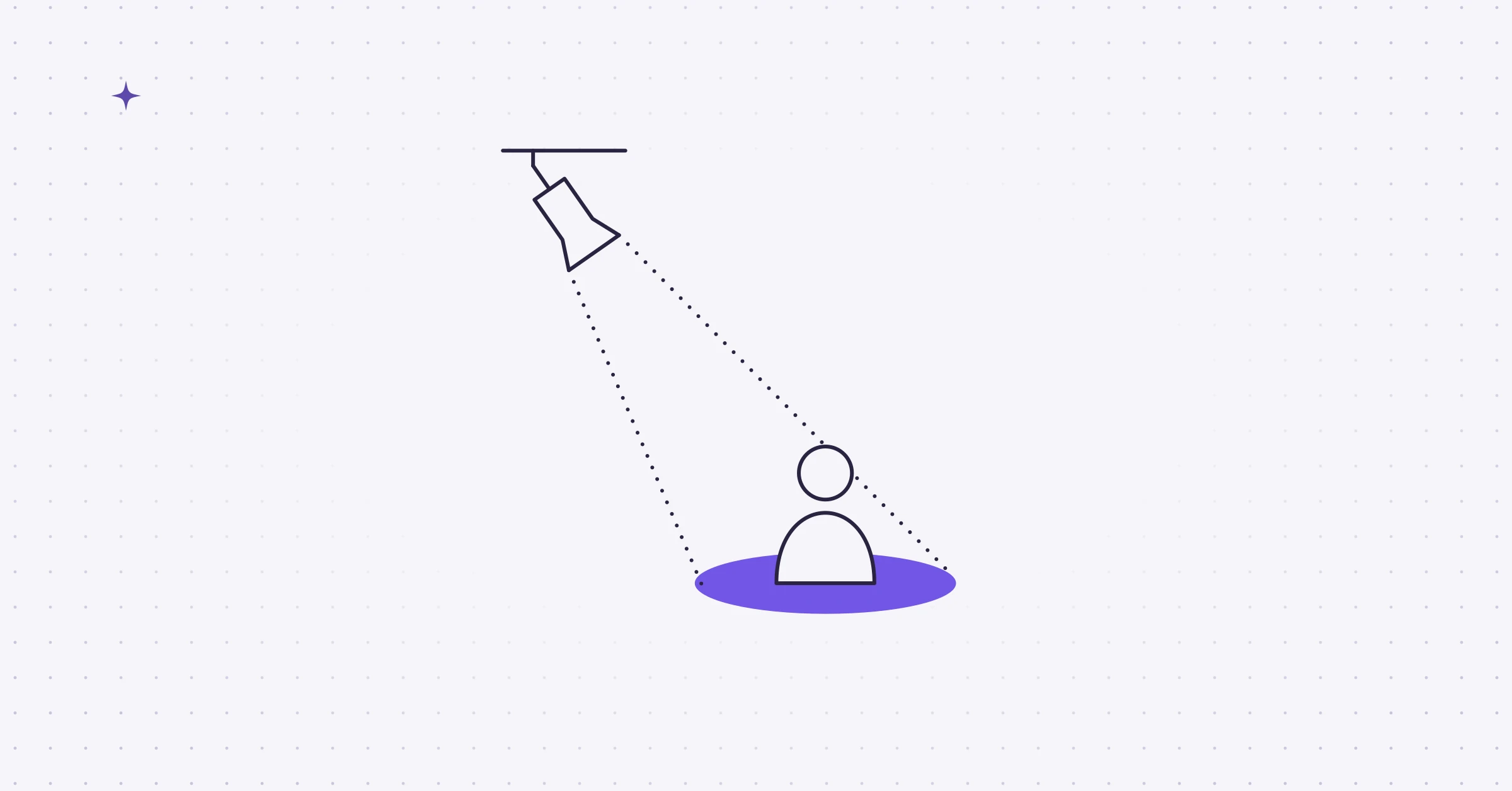
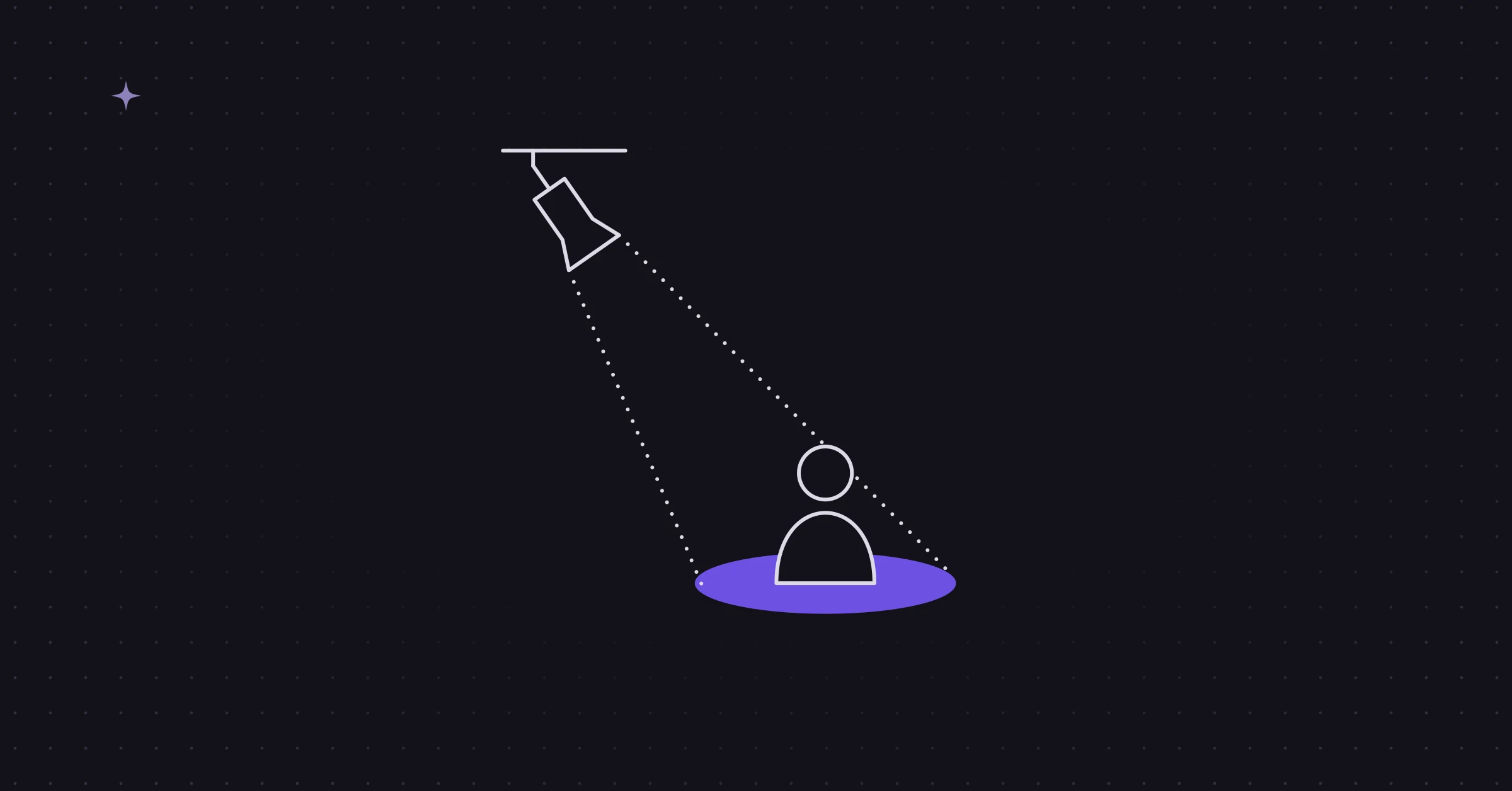
The second habit concerns the audience. What Is the Spotlight Effect? shows that people believe others notice their looks and actions far more than they do. A follow-up by the same research group in 2001 found that people who failed in front of others also expected to be judged more harshly than they were. A change of mind feels like a public failure, so both errors apply to it at once: you expect more people to notice and you expect them to judge you more severely.
Do other people really judge you for it?
The best direct test I know comes from science, where being wrong is part of the job. In 2015 the psychologists Adam Fetterman and Kai Sassenberg in Tübingen, Germany, gave 281 scientists a short scenario in which a study fails to repeat an earlier finding. Some imagined that their own finding had failed, and others imagined that it was a colleague’s. The scientists who imagined their own failure expected much worse damage to their reputation than the others expected for the colleague. A researcher who admitted that the original finding was probably wrong was judged better than one who kept defending it.
The study has limits, because it used imagined scenarios rather than real events, most participants were psychologists, and I could not find an independent replication. Still, it agrees with the spotlight research, because in both cases the person who made the error judges it more harshly than other people do. It also suggests that refusing to admit an error is often the more costly choice.
What happens when everyone keeps their new view to themselves?
When many people keep quiet in this way, the result is strange, and the economist Timur Kuran described it in Private Truths, Public Lies (Harvard University Press, 1995). He called the gap between what people think and what they say preference falsification: you say in public what you expect the others want to hear. Because everyone sees only public statements, everyone gets a false picture of what the others think, as the men in Riyadh did.
For a whole society, this false picture has a surprising result. Opinion can look stable for years while private views change underneath, and then it can turn very fast once people start to speak. In a 1991 article Kuran used this to explain why the revolutions of 1989 in Eastern Europe surprised almost everyone, including the governments themselves. Each person has a personal limit, a share of open opponents that must be reached before they dare to join. When a few people with low limits go public, they push the visible share over the limits of others, who then join and push it further.
What Is the Overton Window? describes how the range of acceptable political ideas moves, but mostly after the fact. Kuran’s idea explains part of why the window can jump so suddenly: many people had already moved in private, and the window caught up when they said so.
Why does one open change of mind help the next person?
The Riyadh study shows that this is more than a theory. The researchers told some of the men the true share of support in their group. Afterwards, these men were more willing to sign their wives up for a job-matching service, and months later their wives were more likely to have applied for a job outside the home. Nobody had argued with the men; they had only learned what the others already thought.
This is the strongest reason to change your mind openly. For you, the cost is usually smaller than it feels, because of the two habits above. For the people around you, your statement is information, because it raises the visible share of people who hold the new view, so the next person reaches their personal limit sooner. An admission that costs you an awkward minute may help several others to stop keeping quiet.
When does changing your mind really cost trust?
Some changes of position do cost trust, so it matters which kind of change you make. Voters have a word for one kind, flip-flopping: changing positions to follow whoever is listening. In survey experiments published in 2016, the political scientists David Doherty, Conor Dowling and Michael Miller found that the cost of a change depended on the issue and became smaller with time. Voters also preferred a candidate who moved toward their own view over one who stayed with a view they disliked. My reading is that people mostly punish a change when they suspect it has no reason behind it.
So the useful line runs between following the audience and following the evidence. An honest update names what you believed, what you learned and what you believe now, and it holds when the audience changes. This is the habit that Bayes’ Theorem, Explained describes in numbers: each new piece of evidence should move your belief by as much as that evidence justifies. Two limits remain. Where a promise or a contract is the point, being consistent is itself the value you offer. And where the first person to speak risks prison or losing a job, as in Kuran’s Eastern Europe, the cost is real, and nobody should pretend otherwise.
For most people in most situations, those limits do not apply. Saying “I was wrong about this, and here is why” costs less than your feeling suggests and less than defending a view you no longer hold. It is also worth a lot to the people who are still waiting for someone to go first.
Think about it
There is no right answer here. Take a minute before you move on.
- 1.Is there a view you changed some time ago but have never said so to the people who heard you defend it? What exactly do you expect would happen if you did?
- 2.Think of someone you respect who once said openly that they had been wrong. Did your opinion of them go up or down, and why?
The takeaway
Changing your mind in public feels costly because people defend views they have committed to and overestimate how closely others watch and judge them. Studies suggest that admitting an error usually harms your reputation less than you fear and less than refusing to admit it. When many people hide a change of mind, as Timur Kuran showed, opinion can look stable and then shift suddenly, and each open revision makes the next one easier. A change costs trust when it follows the audience, not when it follows the evidence and you say what changed.