What Is the Overton Window?
5 min read≈ 1,200 words3 questions · up to 3 points
What this is about
In 1848 the demand that women should vote split even the people who had met to fight for women's rights, and in 1920 it was in the US Constitution. You learn what changed in between, why politicians supported it only at the end, and which simple model describes that pattern. You also learn where the model is often misused.
In a nutshell· skip ahead
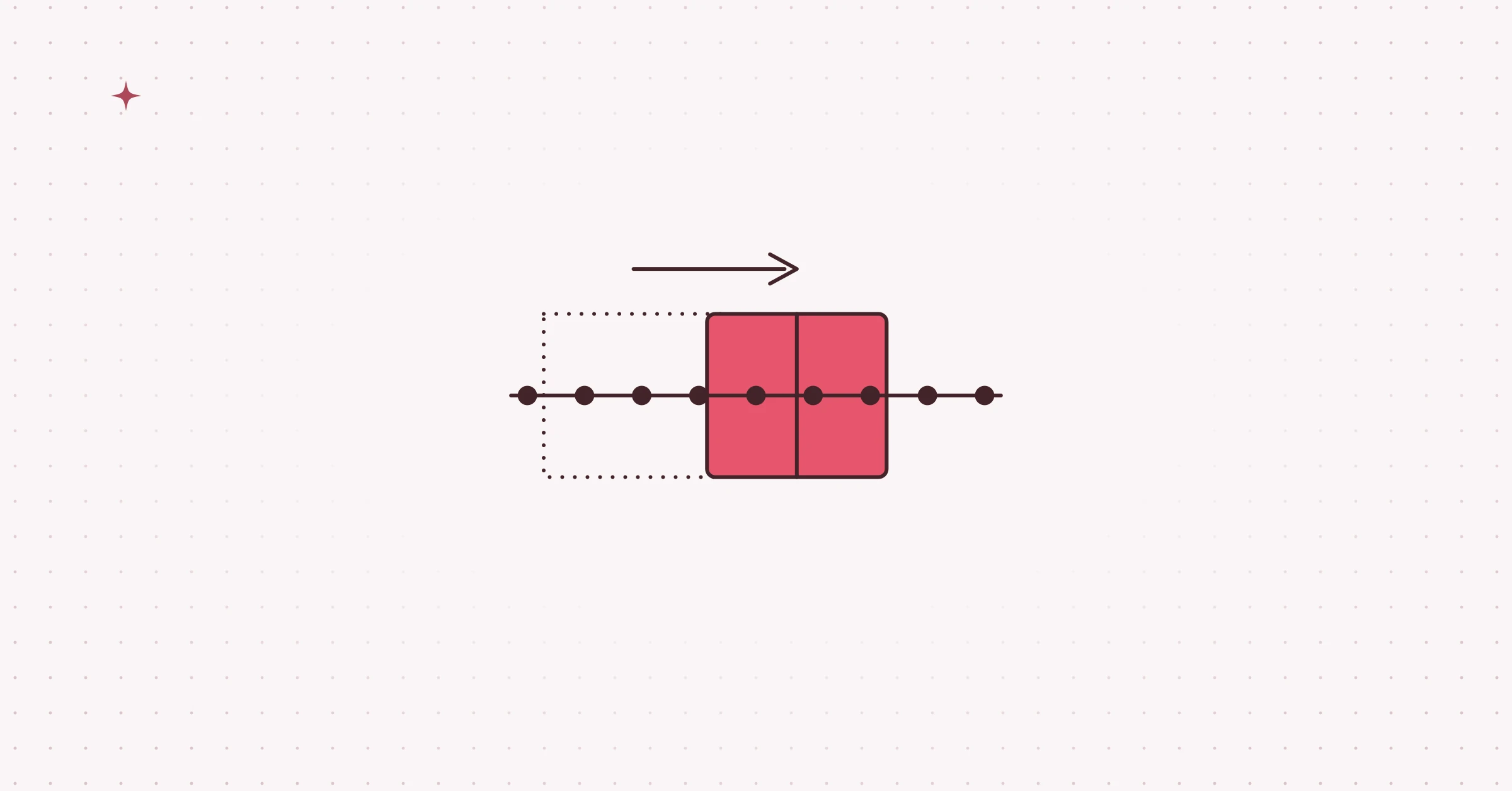
The Overton window is the range of policies that politicians can support at a given time without risking their careers. Ideas outside it seem radical or unthinkable. The model says that politicians mostly follow this range rather than set it: the window moves when views in society change, and policy changes afterwards.
In July 1848, the first women’s rights convention in the United States met in the small town of Seneca Falls, New York. The delegates passed every resolution without a vote against it except one, the demand that women should have the right to vote. Seventy-two years later, that demand was part of the US Constitution. What changed in those years, and why did politicians not vote for it much earlier?
Why do politicians support some ideas and not others?
The Overton window is a model that answers this question. It says that at any time only a limited range of policies is politically acceptable, and politicians can support ideas inside this range without risking their careers. Ideas outside the window seem radical or even unthinkable, so a politician who supports them may lose the next election. The model’s central claim is that politicians mostly follow the window rather than move it: the window moves when the views of people in society change, and policy changes afterwards.
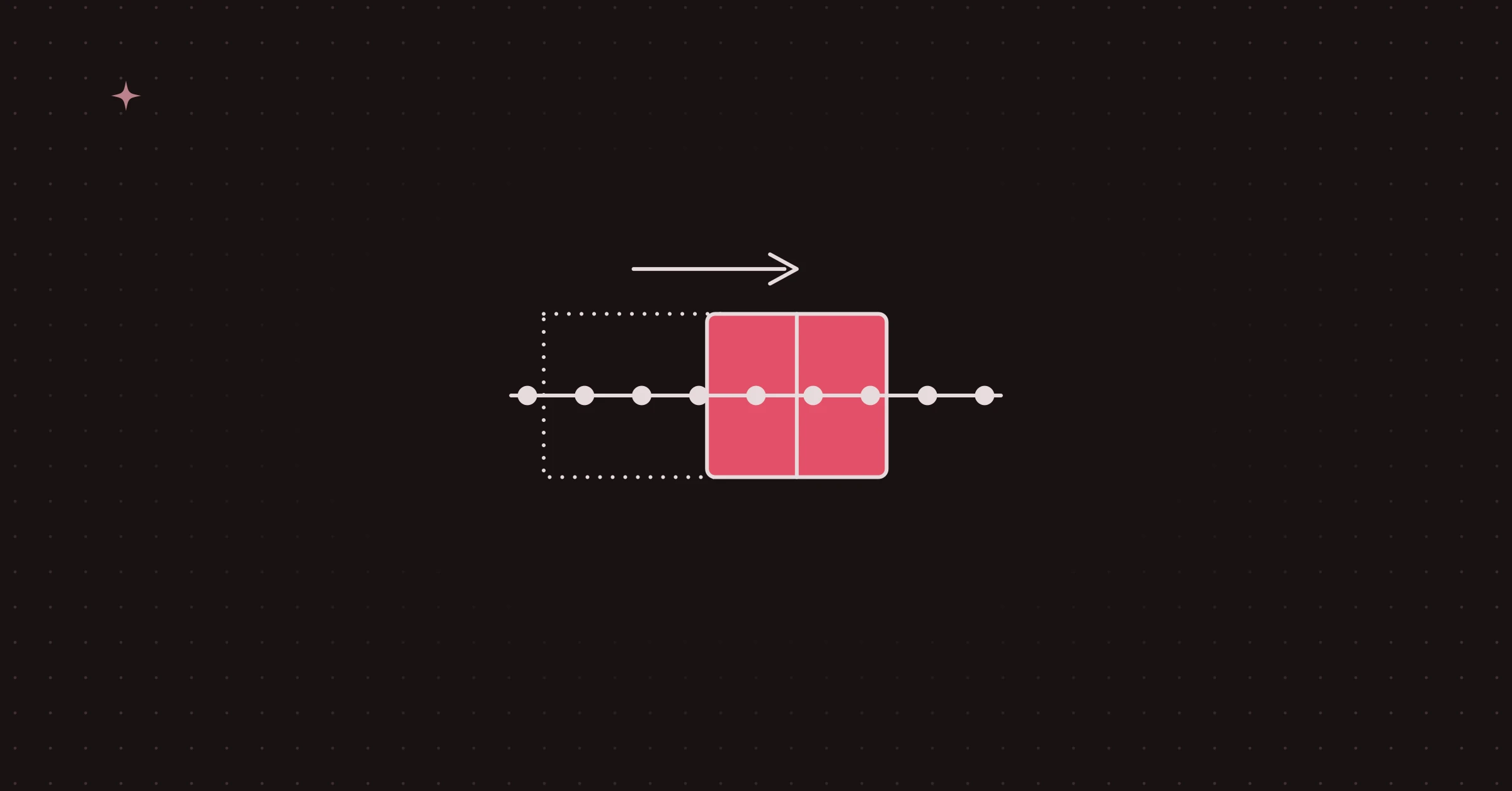
Joseph Overton pictured all possible policies on one line from one extreme to the other, with a frame, the window, that covers only part of it. The history of women’s suffrage, the right to vote in elections, in the United States shows how such a window moves. We can follow it in five steps.
- Outside the window, 1848. At Seneca Falls the demand for the vote was the only resolution that was not adopted unanimously. Some of the people who had come to fight for women’s rights found it too extreme, so for national politicians it lay far outside the window.
- A working example, 1869. In December 1869 the Wyoming Territory gave women the right to vote, and for the first time people could watch the idea work in practice.
- Still outside in Washington, 1878 to 1887. An amendment to the Constitution for women’s suffrage was introduced in Congress in 1878, and the Senate voted it down in 1887.
- Inside the window in the West, 1890s to 1916. One western state after another followed Wyoming, and by 1916 women had full voting rights in eleven of them. In those states women were now voters themselves, so a politician there who opposed their vote put his own seat at risk.
- Policy, 1918 to 1920. President Woodrow Wilson changed his position in 1918 and asked the Senate to pass the amendment. Congress approved it in May and June 1919, and on 18 August 1920 Tennessee became the 36th state to ratify it, which made it part of the Constitution.
Wilson did not move the window but stepped through it after campaigners and the western states had moved it over decades, which is what the model expects a politician to do.
What the Overton window teaches you
When a good idea is not adopted, the model suggests a better question than why the decision-maker is so stubborn: is the idea inside the window yet, and whose minds would have to change first?
- Reading the news. When a politician refuses an idea that experts recommend, the reason is often the window rather than ignorance, because supporting the idea would cost more votes than it wins.
- Changes at work or school. If you propose a change that most of your colleagues find strange, a manager will rarely approve it, however good your arguments are. A small pilot in one team plays the role of Wyoming, because it turns an abstract proposal into something people can see working.
- Public opinion. Polls give a rough picture of where the window is, but only when people judge independently. What Is the Wisdom of the Crowd? explains these conditions and what happens when people copy each other.
The Mackinac Center, the American think tank where Overton worked, uses the model to explain why it works on what people consider reasonable over many years instead of lobbying for single laws.
Where does the Overton window mislead?
The model is useful as a picture, but it has three serious limits. The first is the difference between describing change and planning it. Many people use the window as a strategy and demand something extreme, in the hope that a moderate version will then look reasonable. Overton’s model does not show that this works, because it says that the window moves when views change, not how to change them, and an extreme demand can also make a cause look dangerous. The belief that bold claims, repeated often enough, reshape what crowds think is much older, as “The Crowd” by Gustave Le Bon: Summary and Review shows.
The second limit is hindsight. Told backwards, the story of women’s suffrage looks like a steady march into the window, although at each step nobody knew how it would end. Windows can also move back: Prohibition, the national ban on alcohol, became part of the Constitution in January 1919 and was repealed in December 1933. The model cannot tell you in advance which ideas will come in and which will stay out. Why windows can jump suddenly, once private doubts become public, is argued in Why Changing Your Mind Feels Like Losing, and Why It Costs Less Than You Think.
The third limit is that law sometimes moves before opinion. In 1967 the US Supreme Court struck down the state laws that banned marriage between people of different races, in the case Loving v. Virginia. A year later, Gallup found that only 20 percent of Americans approved of marriages between Black and white people, and approval passed 50 percent only in 1997. Judges who do not face elections, and leaders in a crisis, can act outside the window, so the model fits elected politicians in calm times best.
There is also a common misunderstanding. People often say that a politician “moved the Overton window” with a bold speech, but the model’s own authors say the opposite. Joseph Lehman, president of the Mackinac Center, put it plainly: “Many believe that politicians move the window, but that’s actually rare.” The critic Laura Marsh adds a deeper objection, namely that a strongly divided country may have no single window at all, but one for each political camp.
Learn more
The idea goes back to Joseph P. Overton, a senior vice president of the Mackinac Center for Public Policy in Michigan, who developed it in the mid-1990s. He called it a “window of political possibilities” and made a cardboard mock-up of a brochure with a sliding window to show it. After Overton was killed in a plane crash on 30 June 2003, his colleague Joseph Lehman built a presentation around the idea, and Lehman and his colleagues gave it Overton’s name. The economist Milton Friedman had expressed a related thought in 1982, when he described the task of people with new ideas as keeping them alive until the politically impossible becomes politically inevitable.
To see why some shared problems are solved only by new rules, read What Is the Tragedy of the Commons?. Before anyone can pass such rules, they have to be inside the window.
Quiz
3 questions · up to 3 points
Open a question and pick one answer. Only your first answer counts: +1 if it is right, −1 if it is wrong.
What does the Overton window describe?
Show answer
The range of policies politicians can support at a given time without risking their careers. That is Overton's idea: at any moment only part of all possible policies is politically realistic, and politicians stay inside that part.
You want your school to replace grades with written feedback, but most teachers and parents find the idea strange. What does the Overton window suggest?
Show answer
Make the idea familiar first, for example with a pilot in one class, before you ask the head teacher to decide. Like Wyoming for women's suffrage, a working example moves an idea from strange to acceptable. A decision-maker is more likely to follow once the idea is inside the window.
What does the Overton window model say about bold politicians?
Show answer
They rarely move the window, because supporting ideas outside it usually costs them their office. The Mackinac Center, where the model was developed, says that politicians moving the window is rare. Wilson supported women's suffrage only in 1918, after many states had already adopted it.
Your points are saved only in this browser for now. Accounts that keep them for good are on the way.
Continue learning: What Is the Wisdom of the Crowd? →The takeaway
The Overton window is the range of policies a politician can support at a given time without losing office, and the model says this range usually changes in society first and in politics afterwards. US women's suffrage shows the pattern: from a disputed demand in 1848, through western states that tried it, to the 19th Amendment in 1920. The model describes change after it happened and cannot predict it, and courts or crises can act before opinion moves. Use it to ask who must change their mind before a decision can change.
References
- The Overton Window. Mackinac Center for Public Policy, mackinac.org
The official explanation by the think tank where Joseph Overton worked, with the claim that politicians are more followers than leaders.
- An Introduction to the Overton Window of Political Possibilities. Nathan J. Russell, with a note by Lawrence W. Reed, Mackinac Center for Public Policy, 2006
An early explanation of the model with the picture of a yardstick and a school-choice example; the note gives the date of Overton's death.
- 'Now it's simply referred to as the Overton Window, as if everyone knows what it is'. James M. Hohman, Mackinac Center for Public Policy, 2023
Overton's colleagues remember how he described the idea, what he called it, and the cardboard brochure he made.
- 19th Amendment to the U.S. Constitution: Women's Right to Vote (1920). National Archives, archives.gov
The main dates of the suffrage amendment, from its introduction in 1878 to ratification in 1920, and Wilson's change of position.
- The Flaws of the Overton Window Theory. Laura Marsh, The New Republic, 2016
A critical essay arguing that the model ignores deeper causes of change and assumes a single shared center that may no longer exist.