What Is a Paradigm Shift?
5 min read≈ 1,200 words3 questions · up to 3 points
What this is about
In 1774 an English chemist made a new gas, and he died thirty years later still refusing to call it oxygen. You learn how the argument over that gas became the model case for a famous idea about how science changes, why the rival chemists could not settle it by experiment, and what a revolution in science can lose. You also learn how the idea helps when your own views stop fitting the facts.
In a nutshell· skip ahead
A paradigm shift, in Thomas Kuhn's sense, replaces the shared framework of a science, its model problems, methods and standards, with a new one that cannot be fully compared with the old. It follows a crisis of results that do not fit, and scientists drop the old framework only when a new one is ready.
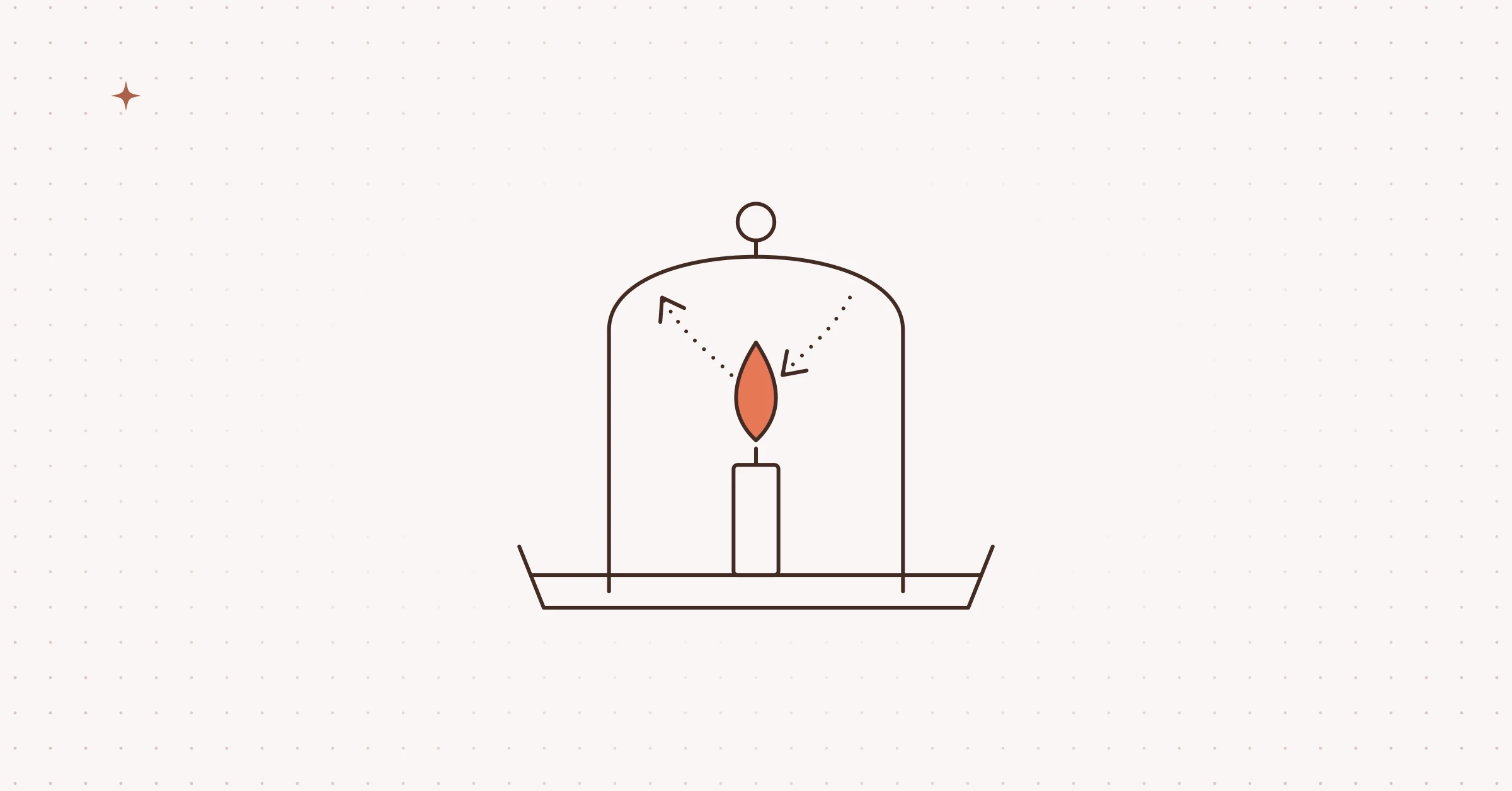
On 1 August 1774 the English chemist Joseph Priestley heated a red powder, a compound of mercury, and collected a gas in which a candle burned longer and more strongly than in ordinary air. Within a few years the French chemist Antoine Lavoisier had decided that this gas was a distinct part of the air, which he named oxygen, and that it explained burning and breathing. Priestley never agreed, and he died in 1804 still convinced that the gas was “dephlogisticated air”. How can two excellent scientists look at the same gas and see two different things, with no experiment able to settle who was right?
What is a paradigm shift?
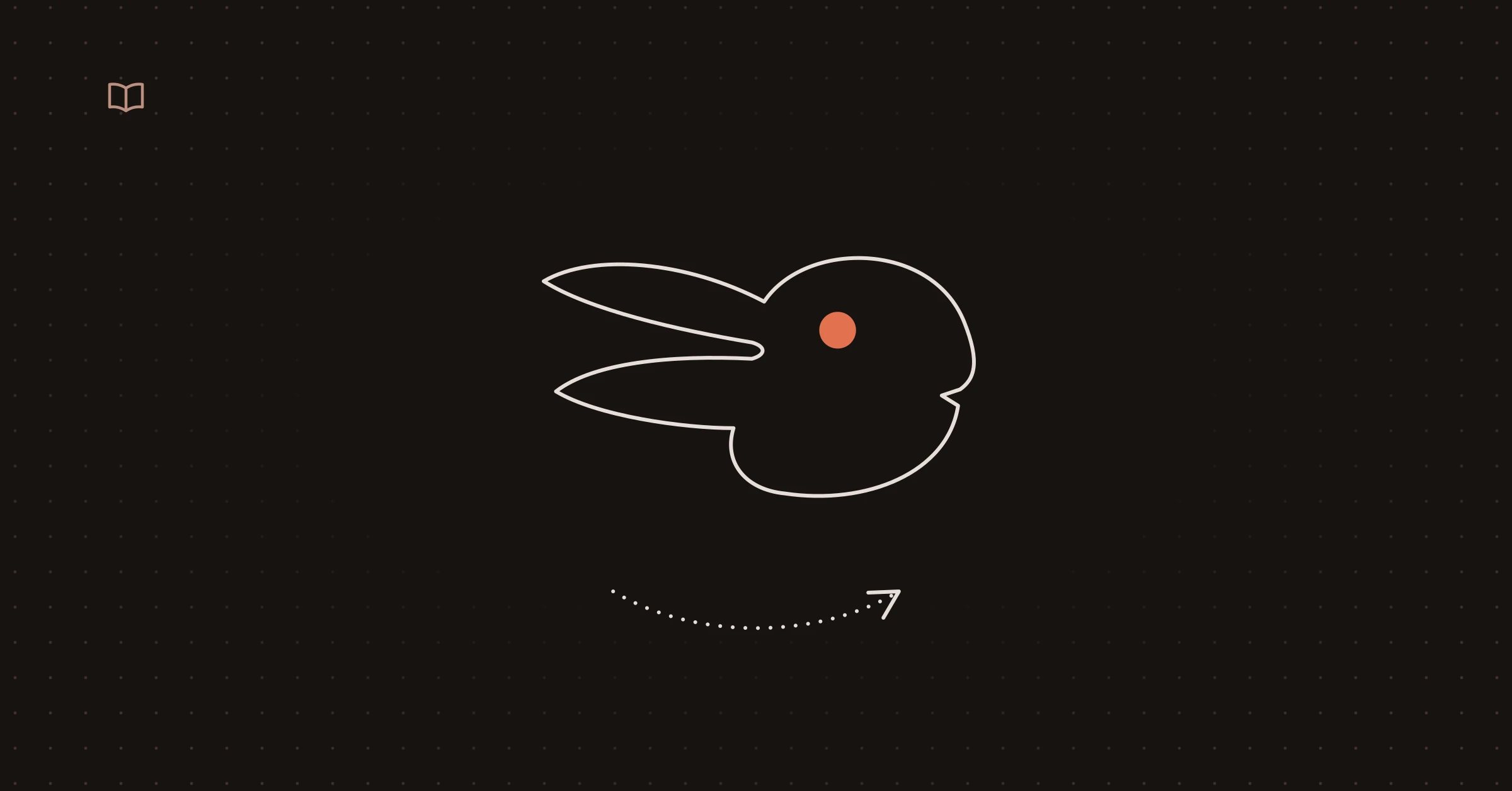
The American physicist and historian Thomas Kuhn called such an event a paradigm shift in 1962. He meant the replacement of the shared framework of a science by a new one that does not fit together with the old. A paradigm, in Kuhn’s sense, is a model achievement that a scientific community copies, and with it the problems that are worth solving, the methods to use and the standards for a good answer. A paradigm shift changes all of these at once, and Priestley and Lavoisier were standing on opposite sides of one.
Kuhn described a sequence of steps that such changes go through, and the chemistry of the eighteenth century, one of his main examples, shows each of them.
- A paradigm guides normal work. Chemists explained burning with phlogiston, a substance thought to leave a body when it burns. The idea explained why wood loses weight in a fire and even why all metals share so many properties: each metal was thought to contain phlogiston. Most chemists spent their careers solving problems inside this framework, which Kuhn calls “normal science”.
- Anomalies appear. An anomaly is a result that the paradigm says should not happen. Metals gain weight when they are roasted, although they should have lost their phlogiston. Chemists adjusted the theory, for example by suggesting that phlogiston might have negative weight.
- The anomalies grow into a crisis. As chemists weighed their materials more carefully, cases of weight gain multiplied, and by 1772, Kuhn writes, the problem had become an outstanding unsolved puzzle. The same year Lavoisier left a sealed note with the French Academy of Sciences, stating that burning bodies take something from the air.
- A new paradigm takes over. Lavoisier’s work on Priestley’s gas between 1775 and 1777 gave that suspicion a substance, oxygen, and his textbook of 1789 taught chemistry in the new terms. Younger chemists learned it as the normal way to think.
Why could no experiment settle the dispute?
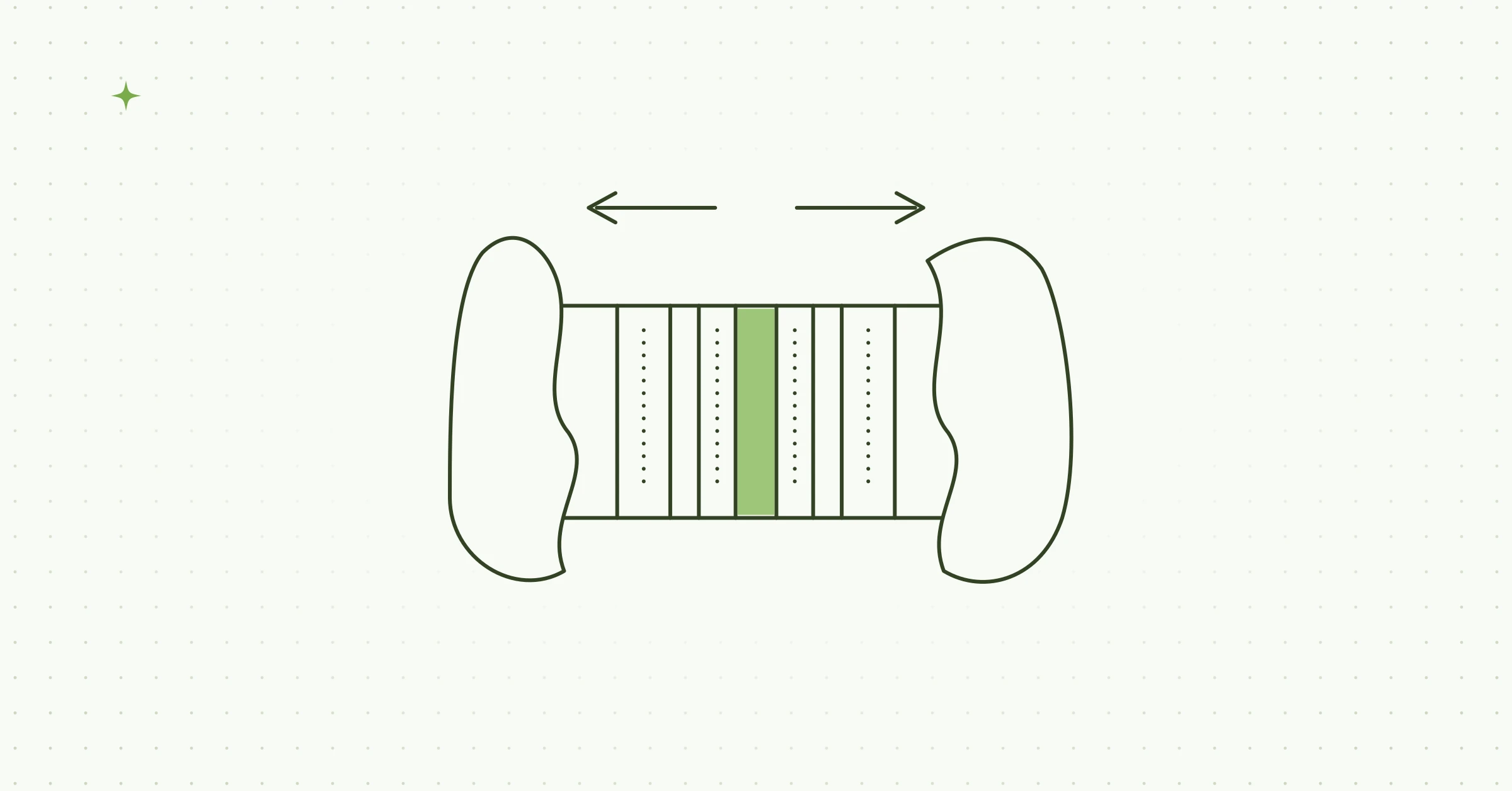
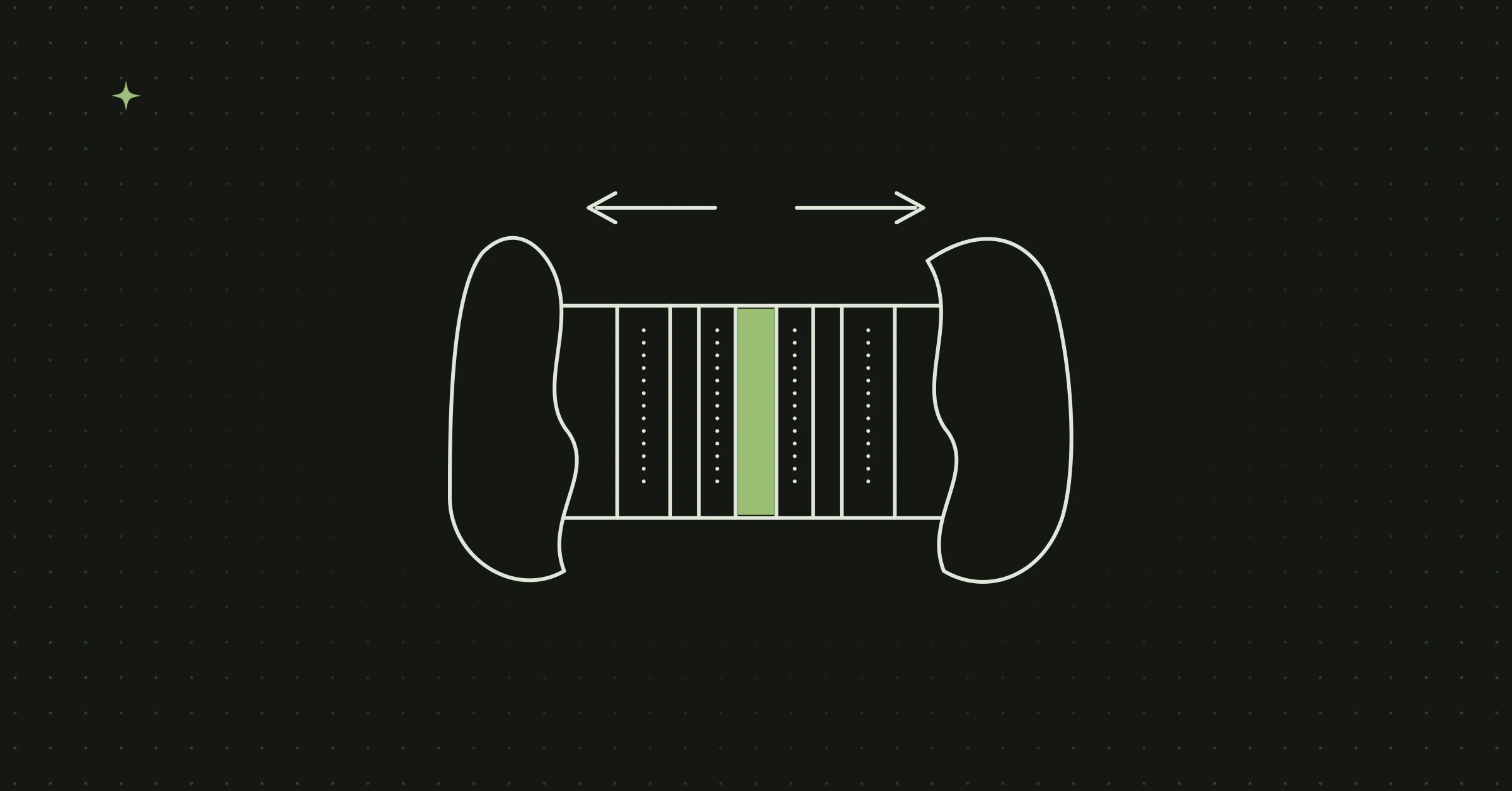
The two sides did not disagree about what happened in the flask. They disagreed about what the gas was, and each side judged the other by its own standards. Kuhn called this incommensurability, a word from mathematics for quantities with no common measure: rival paradigms ask different questions and give key words different meanings, so there is no neutral test that both sides accept.
The most surprising consequence is that a revolution can lose knowledge. Kuhn pointed out that the oxygen theory could no longer say why metals are so much alike, a question that phlogiston chemistry had asked and answered, and chemists stopped asking it until the twentieth century. So the change was not a simple gain, and a defender of phlogiston had a real point to make.
The transfer of allegiance from paradigm to paradigm is a conversion experience that cannot be forced.
Kuhn quoted the physicist Max Planck, who thought new ideas win mostly because their opponents die out. A 2019 study of 452 life scientists who died before old age found some support for this. After each death, papers in that scientist’s field by researchers who had never worked with them rose by 8.6 percent on average, although this is one study of one area of science.
What a paradigm shift teaches you
The idea teaches you to ask what framework a judgment depends on, and what would have to replace that framework before anyone gave it up. This helps in several everyday situations.
- When the facts stop fitting your view. One result that does not fit is weak evidence, but a growing list of them is a crisis. Writing the anomalies down protects you from two mistakes, dropping a good view too early and explaining away every problem, and the second is closely related to the habit that What Is Confirmation Bias? describes.
- In arguments that go nowhere. If two people use the same word in different senses or accept different kinds of evidence, more facts will not help. Agree first on what would count as a good answer.
- When someone announces a revolution. Ask whether there was a real crisis and whether the new idea brings its own model problems and standards. Most claimed “paradigm shifts” are only improvements.
Historians use the same pattern for other sciences. Geology rejected continental drift for about fifty years and then accepted plate tectonics in the 1960s, as Plate Tectonics, Explained shows.
Where does the idea of a paradigm shift break down?
The most common misunderstanding is that any big change is a paradigm shift. Kuhn meant a change in the shared framework of a research community. In 1969 he added that such a change can be small and frequent, inside a community of perhaps fewer than twenty-five people. A new product, a new policy or a new fashion is not a paradigm shift in his sense.
The strongest objection is that Kuhn made science look irrational. If no experiment decides between paradigms, the choice seems to depend on persuasion, and the philosopher Imre Lakatos charged that Kuhn had turned theory choice into a matter of mob psychology. Kuhn answered that scientists share values, such as accuracy, simplicity and fruitfulness, which guide the choice without fixing it like a rule. Many philosophers accept this answer only in part. Historians have also shown that real changes are messier than the clean pattern: Lavoisier himself kept a “principle of acidity” and a matter of heat called caloric, which chemistry dropped only decades later.
Learn more
The idea comes from Thomas Kuhn, a physicist trained at Harvard who turned to the history of science and set it out in The Structure of Scientific Revolutions in 1962. In his preface he named an almost unknown book of 1935 by the Polish microbiologist Ludwik Fleck, which, he wrote, anticipated many of his ideas. Kuhn later admitted that his key word was vague, and noted that one sympathetic reader, the philosopher Margaret Masterman, had counted at least twenty-two different uses of it. In the Postscript of 1969 he named the model problem-solutions that students learn from as the deepest sense of the word.
To see the whole argument, including the Postscript and the critics, read “The Structure of Scientific Revolutions” by Thomas Kuhn: Summary and Review. The book itself is short and contains no mathematics: The Structure of Scientific Revolutions (Affiliate Link).
Quiz
3 questions · up to 3 points
Open a question and pick one answer. Only your first answer counts: +1 if it is right, −1 if it is wrong.
In Kuhn's account, what is replaced in a paradigm shift?
Show answer
The shared framework of a scientific community: its model problems and solutions, its methods and its standards. Kuhn's paradigm is what a community shares and learns from model examples, so a shift changes which problems matter and what counts as a solution.
A medical research team keeps getting results that its standard model of a disease cannot explain, but no rival model exists yet. What would Kuhn expect the team to do?
Show answer
Keep working with the standard model and try to explain the results within it, because a framework is not dropped until another can replace it. Kuhn argues that rejecting one paradigm is always also accepting another. Without a replacement, the team would have no way to keep doing research.
A company announces that its new phone app is "a paradigm shift". Measured by Kuhn's idea, what is the main problem with this claim?
Show answer
Kuhn meant a change in the shared framework of a research community, after a crisis, not any new product or large change. The phrase spread far beyond science because it sounded impressive, but in Kuhn's sense it names how a science replaces its model problems and standards.
Your points are saved only in this browser for now. Accounts that keep them for good are on the way.
Continue learning: "The Structure of Scientific Revolutions" by Thomas Kuhn: Summary and Review →The takeaway
A paradigm shift, Thomas Kuhn's term, is the replacement of the shared framework of a science by a new one after results that do not fit have built up into a crisis. In chemistry, the weight that metals gain when they burn helped bring down the phlogiston theory, and Lavoisier's oxygen theory replaced it, although Priestley never accepted it. No single experiment decides such a change, and the new framework can lose some old answers. The idea helps you see when a disagreement is about standards, not only about facts.
References
- The Structure of Scientific Revolutions: 50th Anniversary Edition. Thomas S. Kuhn, introductory essay by Ian Hacking, University of Chicago Press, 2012
The book that introduced the idea; sections VI to VIII cover oxygen and the chemical crisis, section XII the resistance of older scientists.
- Thomas Kuhn. Alexander Bird, Stanford Encyclopedia of Philosophy
A careful overview of paradigms, normal science, crisis, incommensurability and the losses a revolution can bring.
- Joseph Priestley. Science History Institute
Priestley's isolation of the gas on 1 August 1774 and his lifelong defence of phlogiston.
- Does Science Advance One Funeral at a Time?. Pierre Azoulay, Christian Fons-Rosen and Joshua S. Graff Zivin, American Economic Review 109 (8), 2019
A study of 452 life scientists who died early, testing Max Planck's claim that new ideas win when their opponents die.