What Is Anatta, the Buddhist Teaching of Not-Self?
5 min read≈ 1,200 words3 questions · up to 3 points
What this is about
You say "I" hundreds of times a day, yet when you try to point to the thing the word refers to, it is hard to find. You learn the Buddha's test for a self in body and mind, why a monk compared a person to a chariot, and why scholars still argue whether the Buddha denied the self.
In a nutshell· skip ahead
Anatta, Pali for "not-self", is the Buddhist teaching that nothing in body or mind is a lasting self that you own and control. Each part of a person changes and cannot be commanded, so none fits the idea of a self. "I" is a useful name for a changing process, not for a fixed thing inside it.
You are lying awake the night before an exam. Your stomach is tight, the same thought about failing comes back every few seconds, and you tell yourself to stop, but nothing obeys. In that moment it is fair to ask who is giving the order and who refuses to follow it. About 2,500 years ago the Buddha turned this kind of question into one of his central teachings.
What does the teaching of anatta say?
Anatta is a Pali word that means “not-self”. It is the Buddhist teaching that nothing you can find in your body or mind is a lasting self that belongs to you and that you control. The Buddha did not argue for it in general terms but checked the parts of a person one by one.
These parts are the five aggregates (Pali khandhas, “heaps”). Form is the body, feeling is the pleasant, painful or neutral tone of an experience, and perception is what recognizes things. Choices are the intentions and reactions that shape what you do, and consciousness is the awareness of all this. In the Anattalakkhana Sutta, the “Characteristic of Not-Self” (Samyutta Nikaya 22.59), the Buddha tests each of the five parts in the same way.
Mendicants, form is not-self. For if form were self, it wouldn’t lead to affliction. And you could compel form: ‘May my form be like this! May it not be like that!’
Run the test on the night before the exam.
- Form. You cannot order your stomach to relax.
- Feeling. Telling the fear to stop does not make it stop.
- Perception. The picture of the exam hall keeps returning, whether you want it or not.
- Choices. You decide to sleep and find yourself planning answers again.
- Consciousness. Your awareness drifts from one worry to the next without asking you.
Each part changes and none follows your orders, so the Buddha concludes that none can be regarded as “mine”, as “I am this” or as “my self”. A person who sees this, the sutta adds, loses the desire that binds them to these parts, and that is how freedom from suffering begins.
Why did a Buddhist monk compare a person to a chariot?
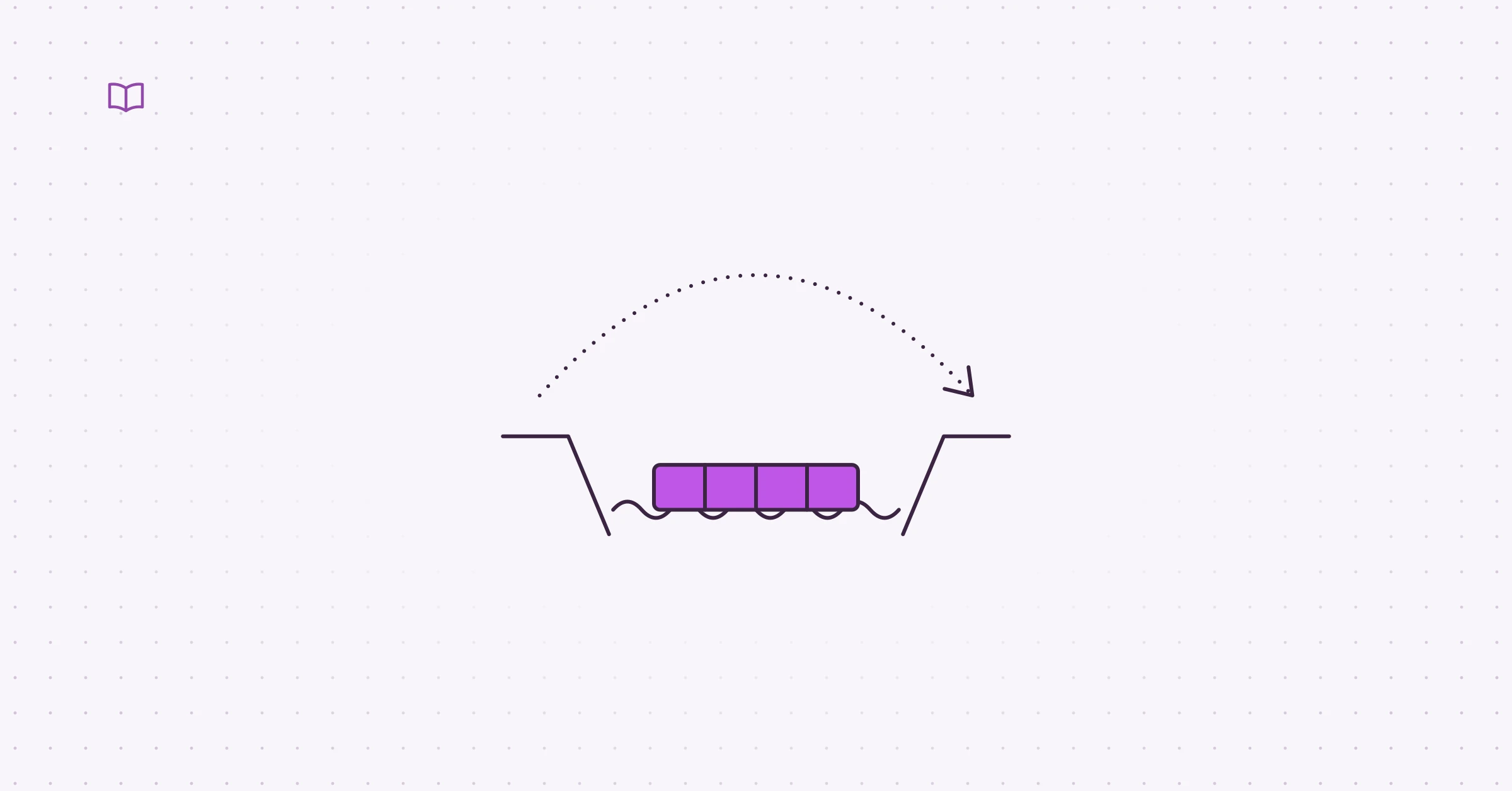
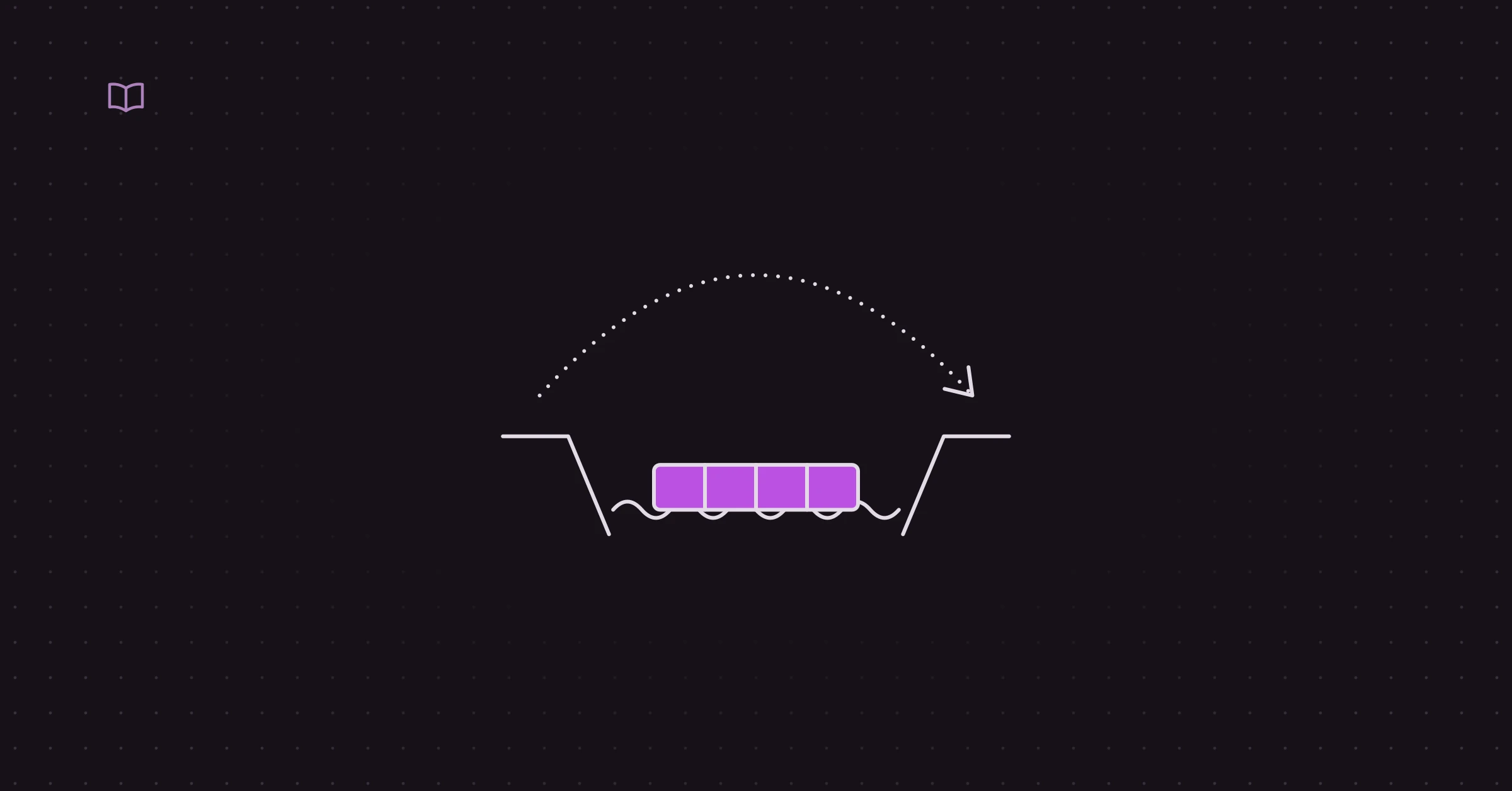
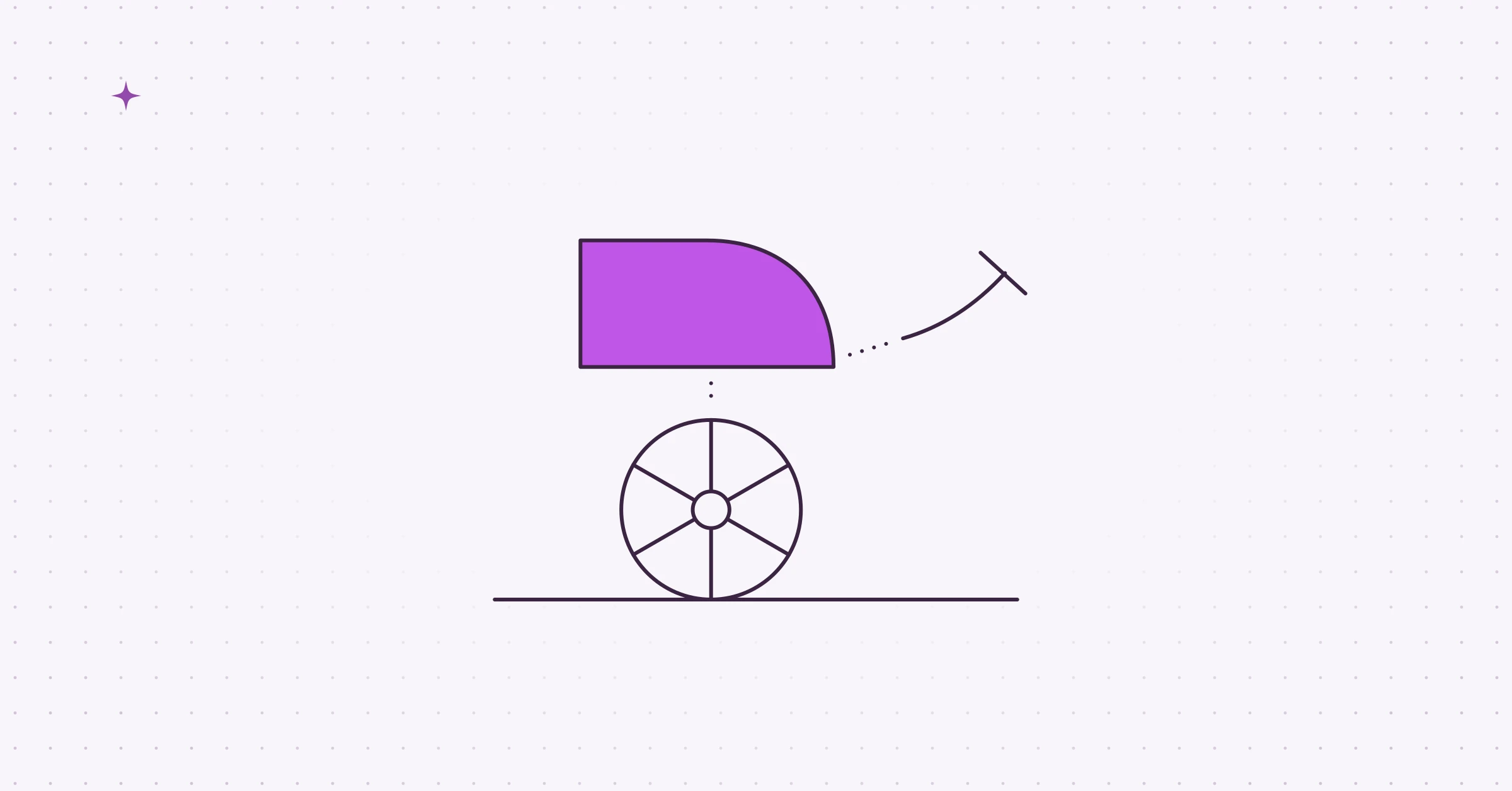
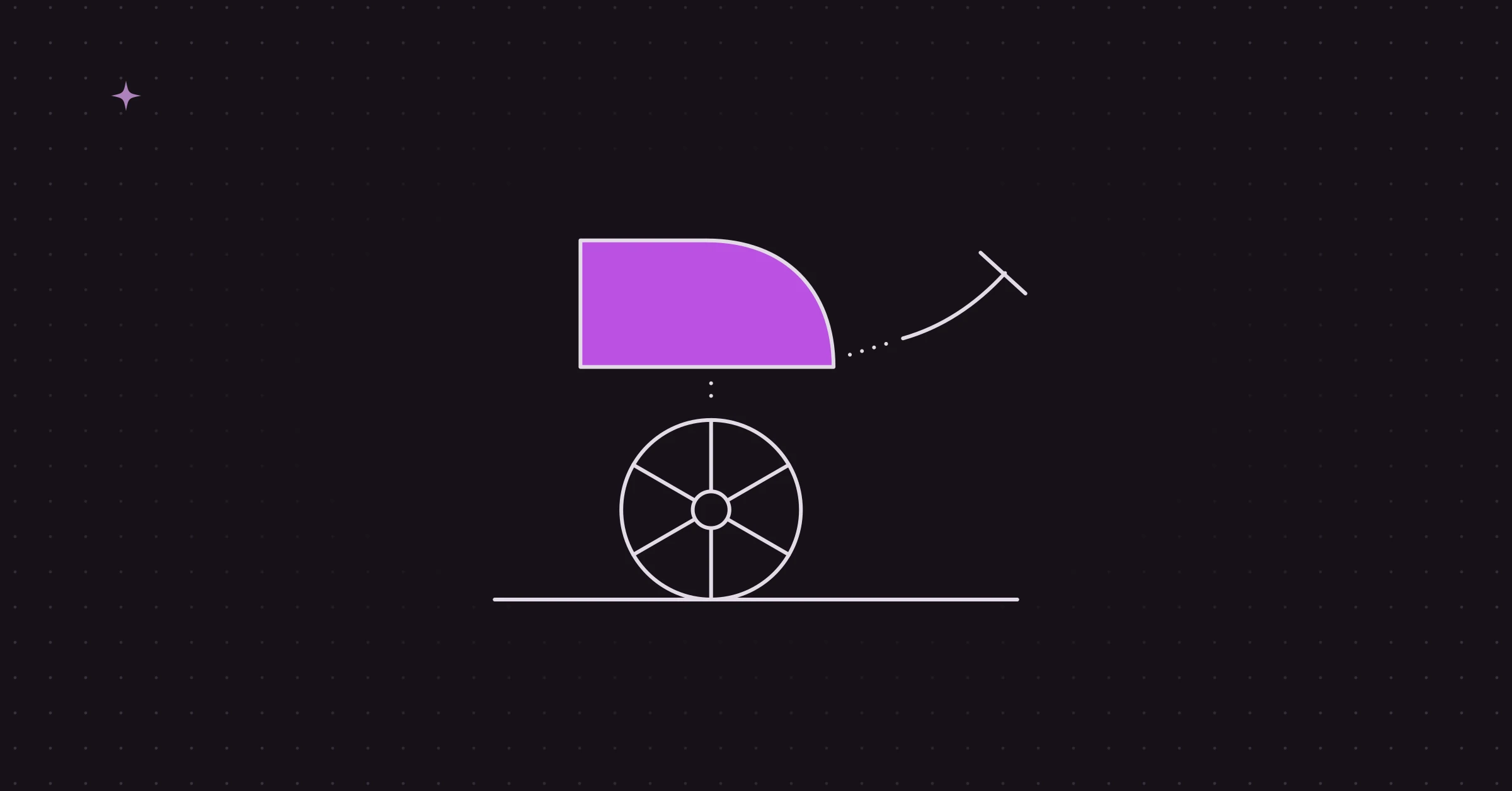
If no part is the self, “I” might seem an empty word. The Milindapañha, a Buddhist text from around the start of the Common Era, answers this worry with a dialogue. King Milinda, a Greek ruler in what is now Pakistan, asks the monk Nagasena who he is, and Nagasena calls his own name only “a designation in common use”. He then asks whether the pole, the axle or the wheels are the chariot, or something apart from them. The king says no each time and finally agrees that “chariot” is the name we use because the parts are there and work together.
The same is true of a person, Nagasena says. “Nagasena” is a correct name for body and mind working together, but there is no extra owner hidden among the parts. Buddhists later called this the difference between two kinds of truth: in conventional truth you say “I” and “you” without lying, while in ultimate truth there is only a flow of changing parts.
The chariot simile is older than the Milindapañha. In Samyutta Nikaya 5.10, a nun named Vajirā answers Mara, the tempter in Buddhist stories, with a short verse. Just as we use the word “chariot” when the parts are assembled, she says, “being” is the name we use when the five aggregates are present.
What anatta teaches you
When something painful feels like the core of who you are, ask whether you can control it and whether it will last. If the answer to both is no, you can hold it more loosely.
- A bad result. After a failed exam, the thought “I am a failure” turns one feeling and one grade into your whole identity. The five-part test finds only a disappointment, a memory and a plan for next time, and all of them change.
- Opinions. If a view is “my self”, every criticism feels like an attack on you, while a view seen as one changing choice can be revised calmly.
- The rest of the teaching. As What Are the Four Noble Truths? explains, craving causes suffering, and holding on to body and mind as “mine” is the craving that not-self is meant to end.
Does not-self mean that there is no self?
A common misconception is that anatta means “you do not exist”, so nothing you do matters. King Milinda raises the same worry when he asks who does good or evil if there is no self. Nagasena answers with the chariot: the name refers to body and mind working together, so there is still a real, changing person who acts and meets the results. What Is Karma? shows why this matters, because karma works through intentions, which belong to the five parts.
The harder question is whether the Buddha denied any self at all. In Samyutta Nikaya 44.10, the wanderer Vacchagotta asks him directly whether there is a self, and the Buddha stays silent. He later tells his attendant Ananda that a yes would have sided with those who believe in an eternal self. A no would have sided with those who believe the self is destroyed at death, and it would have confused Vacchagotta even more.
Scholars read this scene differently. Walpola Rahula, in his book What the Buddha Taught, says that the Buddha denied a self outright, and he translates anatta as “no-self”. Thanissaro Bhikkhu reads the silence as a refusal to take any stand, so that “not-self” is a strategy for letting go rather than a claim about what exists. Peter Harvey, in The Selfless Mind (1995), finds no permanent self in the texts but describes the person as a changing flow centered on consciousness.
I think “not-self” fits the early texts better, because they test the parts one by one and avoid the flat statement. The strongest objection is historical, because, as the philosopher Mark Siderits points out, the classical Indian tradition, Buddhist and Hindu alike, understood the Buddha to have denied the self completely, so the softer reading goes against the oldest interpreters.
Learn more
Anatta has no originator other than the Buddha himself, who taught in northern India around the fifth century BCE. The Anattalakkhana Sutta places the teaching near Varanasi and addresses it to the same five ascetics who heard his first sermon. Mahayana schools later widened it into emptiness, the view that nothing exists on its own. In Reasons and Persons (1984), the philosopher Derek Parfit wrote that the Buddha would have agreed with his own view that a person is no more than a body, a brain and a chain of experiences.
For the whole teaching that not-self belongs to, read “What the Buddha Taught” by Walpola Rahula: Summary and Review. The review also explains why Rahula reads anatta as a firm “no-self” and what his critics say.
Quiz
3 questions · up to 3 points
Open a question and pick one answer. Only your first answer counts: +1 if it is right, −1 if it is wrong.
In the Anattalakkhana Sutta, why does the Buddha say that form, the body, is not-self?
Show answer
Because it leads to pain and you cannot order it to be as you wish The text argues that if the body were a self, you could command it: "May my form be like this!" You cannot, so it does not fit the idea of a self.
A band keeps its name for forty years, although every founding member has been replaced. Which idea from the post fits this case best?
Show answer
The chariot simile: the name refers to parts working together, not to an extra thing Like "chariot" or "Nagasena", the band's name is a useful convention for a changing set of parts. There is no hidden band apart from the members and their music.
Which statement about anatta is best supported by the early Buddhist texts?
Show answer
Nothing in body or mind is a self, and the Buddha refused a flat yes or no when asked if there is a self. The Anattalakkhana Sutta denies a self in each of the five parts, and in SN 44.10 the Buddha stayed silent when Vacchagotta asked whether the self exists.
Your points are saved only in this browser for now. Accounts that keep them for good are on the way.
Continue learning: "What the Buddha Taught" by Walpola Rahula: Summary and Review →The takeaway
Anatta, or not-self, is the Buddhist teaching that nothing in the five parts of a person (body, feeling, perception, choices and consciousness) is a lasting self, because each part changes and none obeys your commands. The chariot simile adds that "I" is a name for working parts, like "chariot". It is disputed whether the Buddha also denied any self beyond the parts, since he stayed silent when asked. Used well, the test helps you hold a painful feeling or belief more loosely.
Key quotes
“When the parts are assembled we use the word 'chariot'. So too, when the aggregates are present 'sentient being' is the convention we use.”
References
- The Characteristic of Not-Self (SN 22.59). Bhikkhu Sujato (translator), SuttaCentral
The Buddha's main discourse on not-self, with the control test and the question whether any of the five aggregates can be regarded as "mine", "I am this" or "my self".
- With Ānanda (SN 44.10). Bhikkhu Sujato (translator), SuttaCentral
The short text in which the Buddha stays silent when Vacchagotta asks whether the self exists, and explains his silence to Ananda afterward.
- Individuality and name; the chariot simile (Milindapañha 3.1.1). T. W. Rhys Davids (translator), SuttaCentral, 1890
The dialogue in which the monk Nagasena asks King Milinda whether the pole, the axle or the wheels are the chariot, in a public-domain translation.
- The Not-self Strategy. Thanissaro Bhikkhu, dhammatalks.org
An American Theravada monk argues that the Buddha never took a stand on whether a self exists, and that not-self is a strategy for ending suffering.
- Buddha. Mark Siderits, Stanford Encyclopedia of Philosophy, 2023
A philosopher's account of the non-self arguments, including the debate over whether the Buddha left room for a self beyond body and mind.