"What the Buddha Taught" by Walpola Rahula: Summary and Review
11 min read≈ 2,340 words5 questions · up to 5 points
What this is about
For decades, university courses and meditation centers have given beginners the same short book on Buddhism, written by a Sri Lankan monk in Paris. You learn its seven main ideas, from the parable of the raft to the claim that there is no lasting self, how it compares with newer introductions, and why some scholars call it too modern.
The book in three sentences· skip ahead
Rahula argues that the Buddha taught a practical path of seeing for yourself, not a creed to believe. He presents the teaching like a doctor's method: a diagnosis of life as unsatisfactory, its cause in craving, its cure in Nirvana and the treatment in the Eightfold Path, all based on the claim that there is no lasting self. The payoff is a clear, short account built on the early Pali texts.
What the Buddha Taught
- Author
- Walpola Rahula
- Published
- 1959
- Publisher
- Grove Press (revised and expanded edition, 1974; first published by Gordon Fraser, Bedford, 1959)
- Length
- 192 pages
- Audiobook
- 6h 20m, read by Taradasa
- Best for
- Readers who want a short, reliable first account of the Buddha's core teachings, based on the early Pali texts, before they read more.
Walpola Rahula’s What the Buddha Taught makes a claim that still surprises many readers: the founder of one of the great religions asked no one to believe anything, only to look and to test. Rahula was a Buddhist monk from Sri Lanka who was studying in Paris at the time. In his preface he complained that most books on Buddhism had been written by people who did not really know the subject or who read it through the ideas of other religions. He wanted to give the educated general reader an account built directly on the Pali texts, the oldest surviving record of the Buddha’s words.
The result is a short book of eight chapters, about 90 pages of explanation followed by a selection of texts that Rahula translated himself. It became one of the most widely used introductions to Buddhism in English, and teachers still put it on university reading lists and in the hands of beginners at meditation centers. Its structure follows the Buddha’s first sermon: after a chapter on attitude, one chapter for each of the Four Noble Truths, then chapters on the self, on meditation and on Buddhism in the modern world.
The Buddha asks you to see for yourself, not to believe
Rahula opens with what he calls the Buddhist “attitude of mind”: the Buddha was a human being who claimed no help from any god, and his teaching depends on seeing and understanding, not on faith. A person is their own refuge, Rahula writes, and nobody, not even the Buddha, can free someone else; a Buddha only shows the way. From this follows a freedom of thought that Rahula calls unheard of in other religions.
He supports this with three famous texts. In the first, the people of a town called Kesaputta, the Kalamas, ask the Buddha how they can know which of the many visiting teachers is right. Rahula reads the answer as a call not to accept anything because of tradition, scripture or the teacher’s authority, but only after testing it.
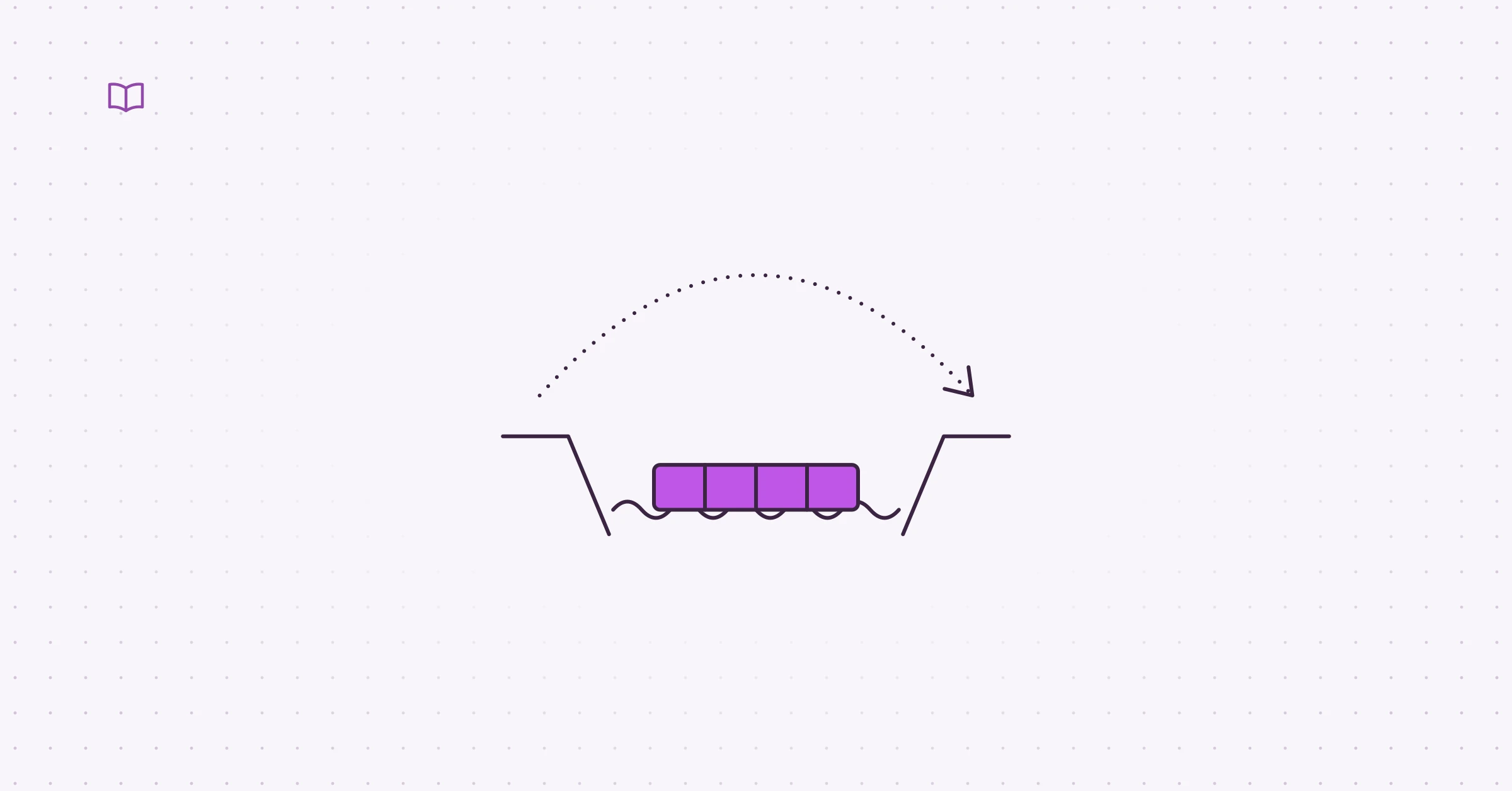
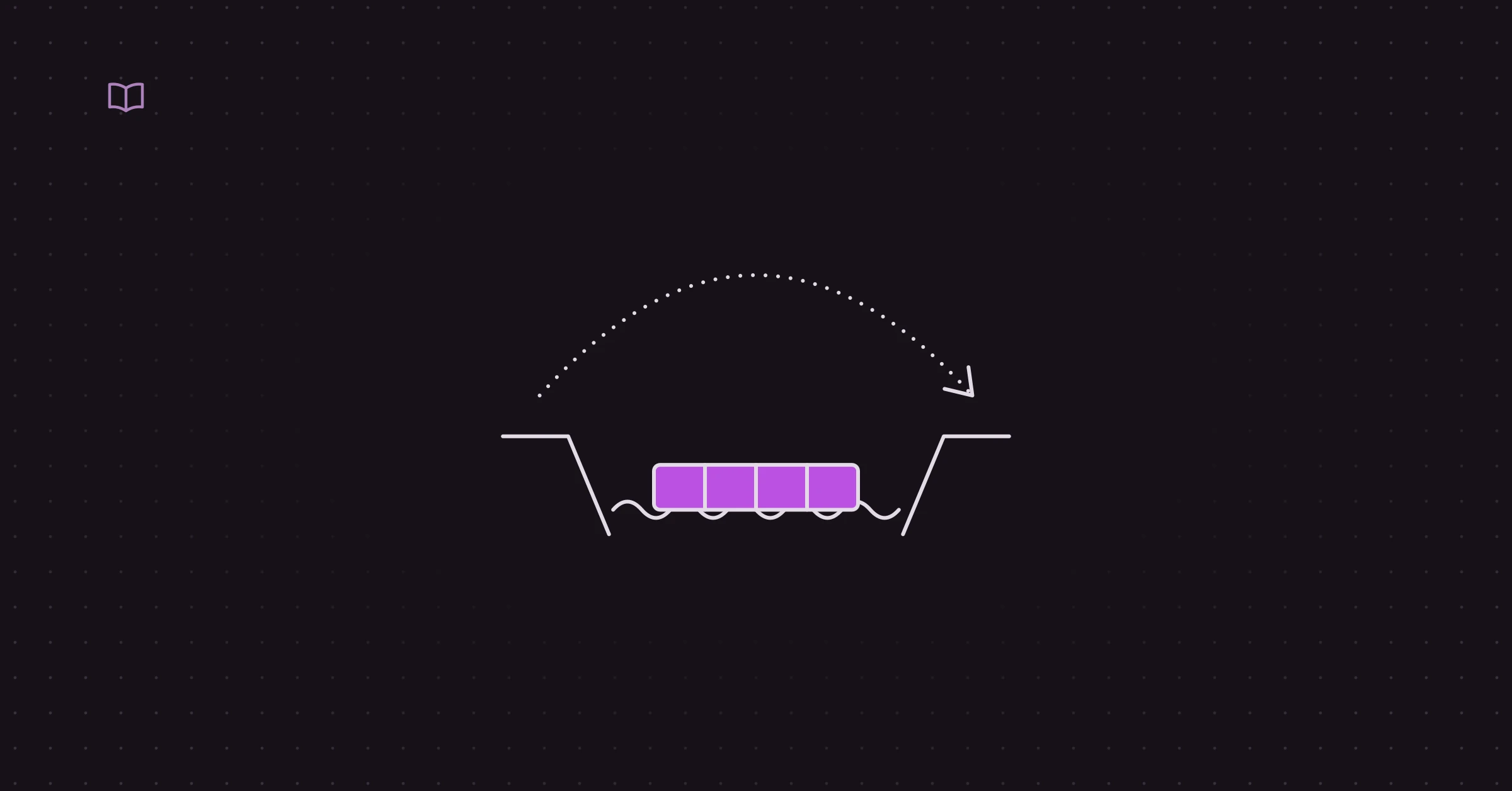
In the second text, the Buddha compares his teaching to a raft that a traveller builds to cross a dangerous river. On the other shore you leave it behind, because the teaching, in Rahula’s translation, “is for crossing over, and not for getting hold of”. The third is the parable of a man shot with a poisoned arrow who refuses treatment until he knows who shot him. Questions such as whether the universe is eternal, Rahula explains, are like that man’s questions: they waste the time needed for the cure.
This chapter sets the tone of the whole book: Buddhism appears as a practical method that leaves some questions open on purpose.
Life is “dukkha”, and that is realism, not pessimism
The First Noble Truth says that life is dukkha, and Rahula’s main point is that the usual translation, “suffering”, is too narrow. Dukkha includes ordinary pain, he explains, but it also means imperfection, impermanence and lack of substance. Even happiness is dukkha, not because it hurts, but because it does not last. So he leaves the word untranslated throughout the book.
To explain this, he compares the Buddha to a doctor. One doctor exaggerates the illness and gives up hope, which is pessimism. Another tells the patient that nothing is wrong, which is optimism. The good doctor names the illness, finds its cause and treats it, and Rahula says the Buddha is that third doctor. The image also explains the order of the Four Noble Truths: diagnosis, cause, cure and treatment. Where this doctor image comes from, and why it is probably later than the first sermon, is explained in What Are the Four Noble Truths?.
The chapter then asks what a “being” is. Rahula answers with the five aggregates: matter, sensations, perceptions, mental formations and consciousness. What we call a person is these five groups working together, and they change from moment to moment, like a mountain river that never stops flowing. This analysis prepares the book’s most radical chapter, on the self.
“Thirst” causes dukkha, and karma is intention, not reward and punishment
The Second Noble Truth names the cause of dukkha, and Rahula translates the Pali word tanhā as “thirst”: the craving for pleasure, for existence and becoming, and even for non-existence. Thirst keeps the cycle of life and death going, and it works through karma.
Rahula’s definition of karma is strict. The word means “action”, but in the Buddha’s teaching it means only volitional action, an act done with intention; the result is called the “fruit” of karma, not karma itself. Good intentions lead to good effects and bad ones to bad effects, with no judge in between. Rahula is sharp on this point, because he sees the idea of a judging God behind the popular idea of “justice”.
The theory of karma is the theory of cause and effect, of action and reaction; it is a natural law, which has nothing to do with the idea of justice or reward and punishment.
How can there be rebirth without a soul? Rahula’s answer is that even in this life there is no fixed person, only a flow of physical and mental energies that arise and pass away every moment and still continue. If they can continue during life without a self behind them, he argues, they can continue after the body dies. The older background of the idea, the debate between Buddhists and Jains about accidents, and the problem of blaming victims are explained in What Is Karma?
Nirvana is the end of thirst, and it can be reached in this life
The Third Noble Truth is the cessation of dukkha, which the Buddha called Nirvana, and Rahula defines it as the end of thirst: the extinction of desire, hatred and illusion. He admits that language struggles here, because words were made for things we know through the senses, and Nirvana is not such a thing.
His main task in this chapter is to remove two misunderstandings. The first is that Nirvana is negative, a kind of self-destruction. Rahula answers that there is no self to destroy; what ends is the false idea of a self. The second is that Nirvana is a reward that comes after death. Rahula stresses that the Buddha spoke of Nirvana “in this very life”, and that a person who has realized it is free, calm and full of compassion while still living among other people.
The Eightfold Path trains conduct, mind and wisdom together
The Fourth Noble Truth is the way to the end of dukkha, the Noble Eightfold Path. Rahula calls it the Middle Path, because it avoids both the pursuit of sense pleasures and harsh self-punishment, two extremes that the Buddha himself had tried. He then groups the eight parts into three kinds of training. Ethical conduct covers right speech, right action and right livelihood. Mental discipline covers right effort, right mindfulness and right concentration. Wisdom covers right understanding and right thought.
The point of the grouping is that the eight parts are not steps to be done one after another. They are developed together, each supporting the others. Rahula adds that a complete person needs both compassion and wisdom: compassion without wisdom makes a good-hearted fool, he writes, and wisdom without compassion makes a cold intellect. This is one of the most practical passages in the book, because it turns the doctrine into a description of how to live.
There is no lasting self behind the five aggregates (“anatta”)
Rahula’s chapter on anatta, “no-self” or “no-soul”, is the heart of the book. He states that Buddhism is unique among systems of thought in denying a permanent self or soul. In his account the idea of a self is false and produces selfish desire, pride and conflict, from quarrels between people to wars between nations.
The argument goes back to the five aggregates. Look for the self in the body, in feelings, in perceptions, in mental formations or in consciousness, and you will not find it there, Rahula argues. You also will not find a self behind them that owns them. He makes the point sharply against Descartes’ “I think, therefore I am”: in the Buddhist view, thinking happens, but there is no separate thinker who does it.
He anticipates the obvious objection. If there is no “I”, is it a lie to say “I”? No, he answers, because there are two kinds of truth. In everyday, conventional truth we say “I” and “you” without lying. In ultimate truth there is only the flow of the aggregates. And if there is no self, who receives the results of karma? Rahula answers with the Buddha’s own words: he had taught his monks to see conditions at work in everything. Rahula ends the chapter by insisting that the teaching is not negative, because it removes a false belief rather than something real. The test behind this chapter, and the debate over whether the Buddha denied the self at all, are explained in What Is Anatta, the Buddhist Teaching of Not-Self?.
Meditation is mental culture, and the teaching is meant for lay people too
The last two chapters bring the teaching into daily life. Rahula says that the English word “meditation” is a poor translation of bhāvanā, which means mental culture or development. It is not an escape into a trance or a way to gain strange powers, he writes, but training the mind to be calm, aware and clear. His main example is mindfulness: of breathing, and of ordinary activities such as walking, eating and talking, by living in the present moment.
The final chapter argues that the path is not only for monks. Rahula cites the Buddha’s advice to a young layman, Sigala, on family duties, and texts in which the Buddha names poverty as a cause of crime and lists ten duties of a just ruler. Here the book shows its author’s own interests, because Rahula was a monk who believed that Buddhism should take part in social and political life.
How it differs from other introductions to Buddhism
The book’s strength is the combination of brevity and precision. Rahula gives the Pali term for almost every key word and a footnote to the original discourse for most claims, so a reader can always check him. Few introductions this short do that.
Compared with Thich Nhat Hanh’s The Heart of the Buddha’s Teaching (1998), Rahula is drier and more exact. Nhat Hanh writes as a meditation teacher and adds his own exercises and Mahayana ideas, while Rahula stays close to the early texts and argues like a scholar.
Compared with Bhikkhu Bodhi’s In the Buddha’s Words (2005), an anthology of the discourses themselves, Rahula gives you the system first and the texts second. Bodhi’s book is longer and more complete, and it gives more room to rebirth and to good deeds done for a better future life, which Rahula plays down. Richard Gombrich’s What the Buddha Thought (2009), whose title echoes Rahula’s, places the Buddha among the Brahmin and Jain ideas of his time, which explains why he said what he said, a historical question that Rahula mostly does not ask.
There is also a difference from modern spiritual books. In A New Earth, Eckhart Tolle also calls the ego a false self, but he promises a deeper true self underneath. Rahula’s Buddha denies any such self, and that makes his book harder, but also more honest about what the tradition says.
Where it falls short: a modern reading presented as the original
The main criticism is that Rahula presents one modern reading of Buddhism as “what the Buddha taught”, without saying that it is one reading among several. Scholars place the book in what they call Buddhist modernism, a movement of the 19th and 20th centuries that presented Buddhism as rational, close to science and free of ritual. Stephen Jenkins, a scholar of religion, calls the book a brilliant adaptation to Western expectations, and notes that real Sri Lankan Buddhism, with its gods, spirits and devotion, looks very different.
The Kalama text is a good example. Bhikkhu Bodhi, himself a Theravada monk and translator, argues that the Buddha spoke to the Kalamas as outsiders who had not yet accepted him, so the text gives first ethical advice, not a general rule of free inquiry. Read in its full context, it does not mean that each person may keep only what they like.
The chapter on no-self has a similar problem. Rahula says firmly that the Buddha denied the self, although the Pali texts also record that the Buddha stayed silent when a wanderer named Vacchagotta asked him directly whether there is a self. Rahula discusses this scene and explains the silence as kindness to a confused questioner. Thanissaro Bhikkhu, an American monk in the same Theravada tradition, draws the opposite conclusion: for him, not-self is a practical strategy for letting go, not a statement about what exists. Both readings use the same texts, but Rahula gives the reader only his own.
To be fair, Rahula is not a secular modernist. He keeps karma and rebirth as real teachings, and his account is accurate on most points of doctrine. The problem lies in what he leaves out and in his certainty that his emphasis is the only correct one.
Which edition to read
Read the revised and expanded edition from Grove Press, which includes the selected texts, a glossary and an index. The selected texts, among them the first sermon, the discourse on mindfulness and verses from the Dhammapada, are a good first contact with the Buddha’s own words, and they are worth reading after the chapters. Print or ebook is better than audio, because the Pali terms and footnotes are part of the book’s value. The audiobook, read by Taradasa, works for a second pass when you already know the terms.
Quiz
5 questions · up to 5 points
Open a question and pick one answer. Only your first answer counts: +1 if it is right, −1 if it is wrong.
Why does Rahula retell the Buddha's parable of the raft in his first chapter?
Show answer
To show that even true teachings are tools for crossing over, not things to cling to. The raft gets you across the river, and then you leave it behind. Rahula uses it to show that the Buddha discouraged attachment even to his own teaching.
Why does Rahula prefer to leave the Pali word dukkha untranslated?
Show answer
Because "suffering" is too narrow: dukkha also means impermanence, imperfection and lack of substance. Rahula says even happy states are dukkha because they do not last. One English word would give a wrong idea of the First Noble Truth.
A friend says a stranger's illness is "his karma, his punishment". What would Rahula object first?
Show answer
That karma is not reward and punishment but cause and effect, with no judge behind it. Rahula writes that karma is a natural law of action and reaction and has nothing to do with justice handed out by anyone. He also defines karma as intention, not as the result.
What does Rahula mean by the doctrine of anatta?
Show answer
There is no lasting self behind the changing body and mind; the "I" is a name for a process. Rahula writes that there is no thinker behind the thought. The five aggregates change from moment to moment, and the idea of a fixed self is false.
According to this review, what is the best way to use the book today?
Show answer
Read it as a clear first map, then compare it with the texts and with scholars who see it as a modern reading. The book is short, accurate on many points and rich in Pali terms, but it presents one rational reading as the only correct one.
Your points are saved only in this browser for now. Accounts that keep them for good are on the way.
Continue learning: What Is Karma? →The takeaway
What the Buddha Taught, written by the Sri Lankan monk Walpola Rahula in 1959, presents the Buddha's teaching as the Four Noble Truths: life is unsatisfactory (dukkha), craving or "thirst" causes this, Nirvana ends it, and the Eightfold Path leads there. Karma is intention, not reward and punishment, and there is no lasting self behind thought. Its weakness is that it gives a rational, modern reading as the only correct one. Read it first, then read the texts themselves.
Key quotes
“Buddhism is neither pessimistic nor optimistic. If anything at all, it is realistic.”
“There is no thinker behind the thought. Thought itself is the thinker.”
Should you read it?
Read it if
- You want to know what the Four Noble Truths, karma, Nirvana and no-self mean in the early texts, explained in about 90 pages.
- You want the Pali terms and the references to the original discourses, so that you can check the teachings yourself.
- You meditate or are interested in mindfulness and want to know where the practice comes from.
Skip it if
- You want to know how Buddhists in Asia actually live and worship today; the book leaves out ritual and devotion.
- You want a neutral historical account; Rahula writes as a monk who believes the teaching is true.
As an Amazon Associate, mentua.org earns from qualifying purchases. It costs you nothing and never shapes the verdict.
Ideas from this book
- KarmaKarma is the teaching, shared by Hinduism, Buddhism and Jainism, that every deliberate action leaves a trace in the person who does it and later ripens into a result, in this life or a future one. No judge hands out the results. The process works like a seed growing into a fruit, and it shapes above all who you become.
- Four Noble TruthsThe Four Noble Truths are the core of the Buddha's teaching, set out in his first sermon. Life as we usually live it is unsatisfying in a deep way (dukkha). The cause is craving. When craving fades, the dissatisfaction ends. A practical path of eight parts, covering view, conduct and mental training, leads to that end.
- Anatta (not-self)Anatta, Pali for "not-self", is the Buddhist teaching that nothing in body or mind is a lasting self that you own and control. Each part of a person changes and cannot be commanded, so none fits the idea of a self. "I" is a useful name for a changing process, not for a fixed thing inside it.
- Kalama SuttaThe Kalama Sutta is a short discourse of the Buddha in the Pali Canon (Anguttara Nikaya 3.65). Confused by rival teachers, the Kalamas ask whom to believe. The Buddha says that tradition, scripture, logic or a teacher's fame are not enough on their own, and that they should give up what they see leads to harm and suffering.
References
- What the Buddha Taught (revised edition, Grove Press), scan at the Internet Archive. Walpola Rahula, Internet Archive
The edition quoted in this review, with Paul Demiéville's foreword, the eight chapters and the selected texts.
- A Look at the Kalama Sutta. Bhikkhu Bodhi, Access to Insight (Buddhist Publication Society), 1988
A Theravada monk and translator argues that the Kalama Sutta, the text behind Rahula's chapter on free inquiry, is not a charter for free thought.
- Of Demon Kings and Protestant Yakṣas. Stephen Jenkins, The Religious Studies Project, 2015
A scholar of religion calls Rahula's book a brilliant adaptation to Western expectations and compares it with how Buddhism is practiced in Sri Lanka.
- The Not-self Strategy. Thanissaro Bhikkhu, dhammatalks.org
A different reading of anatta: the Buddha refused to say whether there is a self or not, and not-self is a practice rather than a claim.