What Is the Veil of Ignorance?
5 min read≈ 1,190 words3 questions · up to 3 points
What this is about
If you had to choose the rules of a society before you knew whether you would be born rich or poor, healthy or ill, which rules would you choose? You learn how John Rawls turned this question into a test of fairness, which answer he thought it gives, and why an economist with the same idea, and most groups in laboratory experiments, chose differently.
In a nutshell· skip ahead
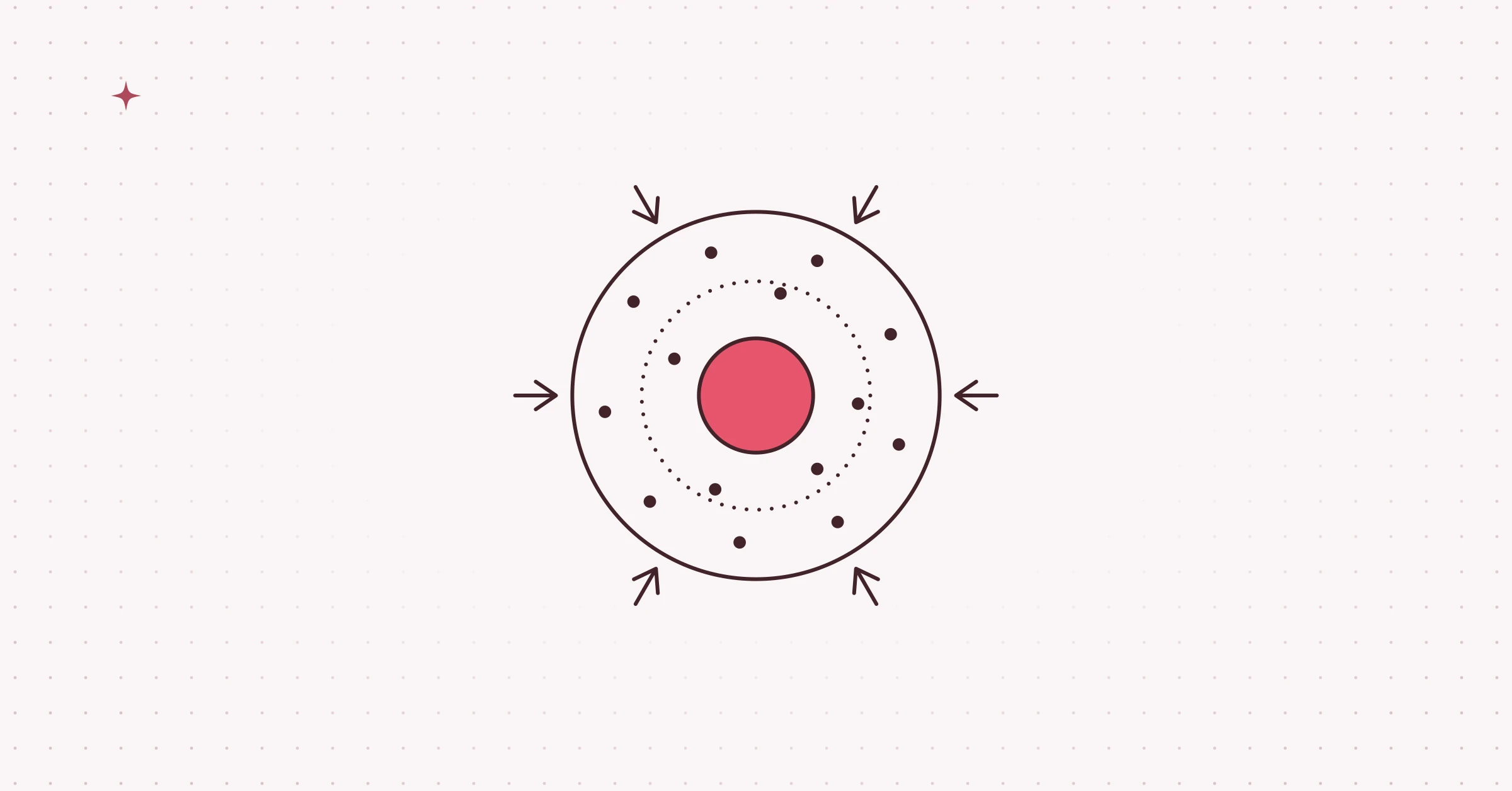
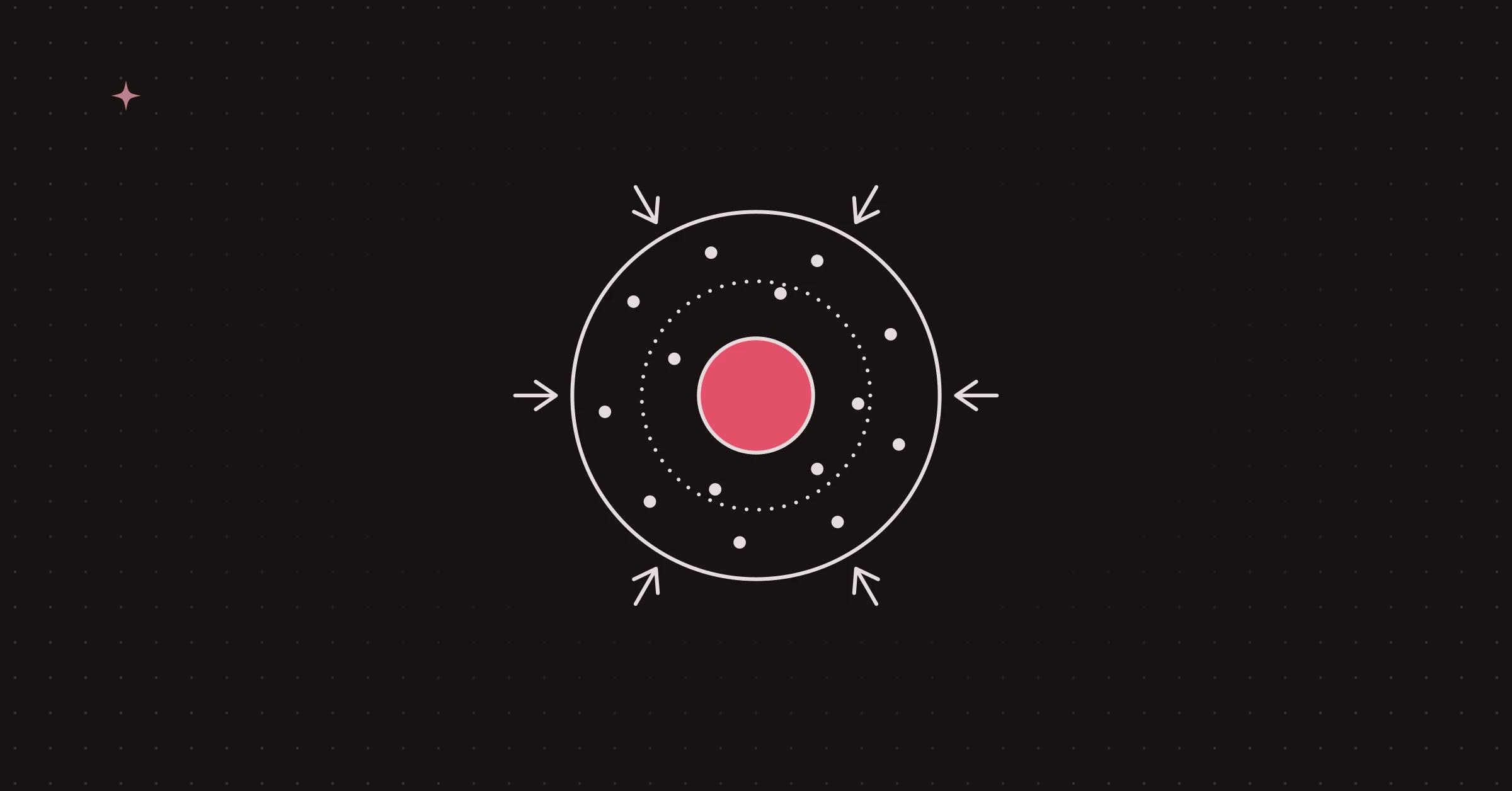
The veil of ignorance is a thought experiment by the philosopher John Rawls. You imagine choosing the basic rules of a society without knowing who you will be in it: rich or poor, talented or not, which religion or sex. Rules you would accept from there count as fair, because nobody could shape them to suit themselves.
People who argue about taxes, schools or health care rarely change each other’s minds. One reason is easy to see, because a rule that helps the rich looks fair to many rich people, and a rule that helps the poor looks fair to many poor people. If everyone judges from their own position, how could anyone find out which rules are fair to all?
How does the veil of ignorance work?
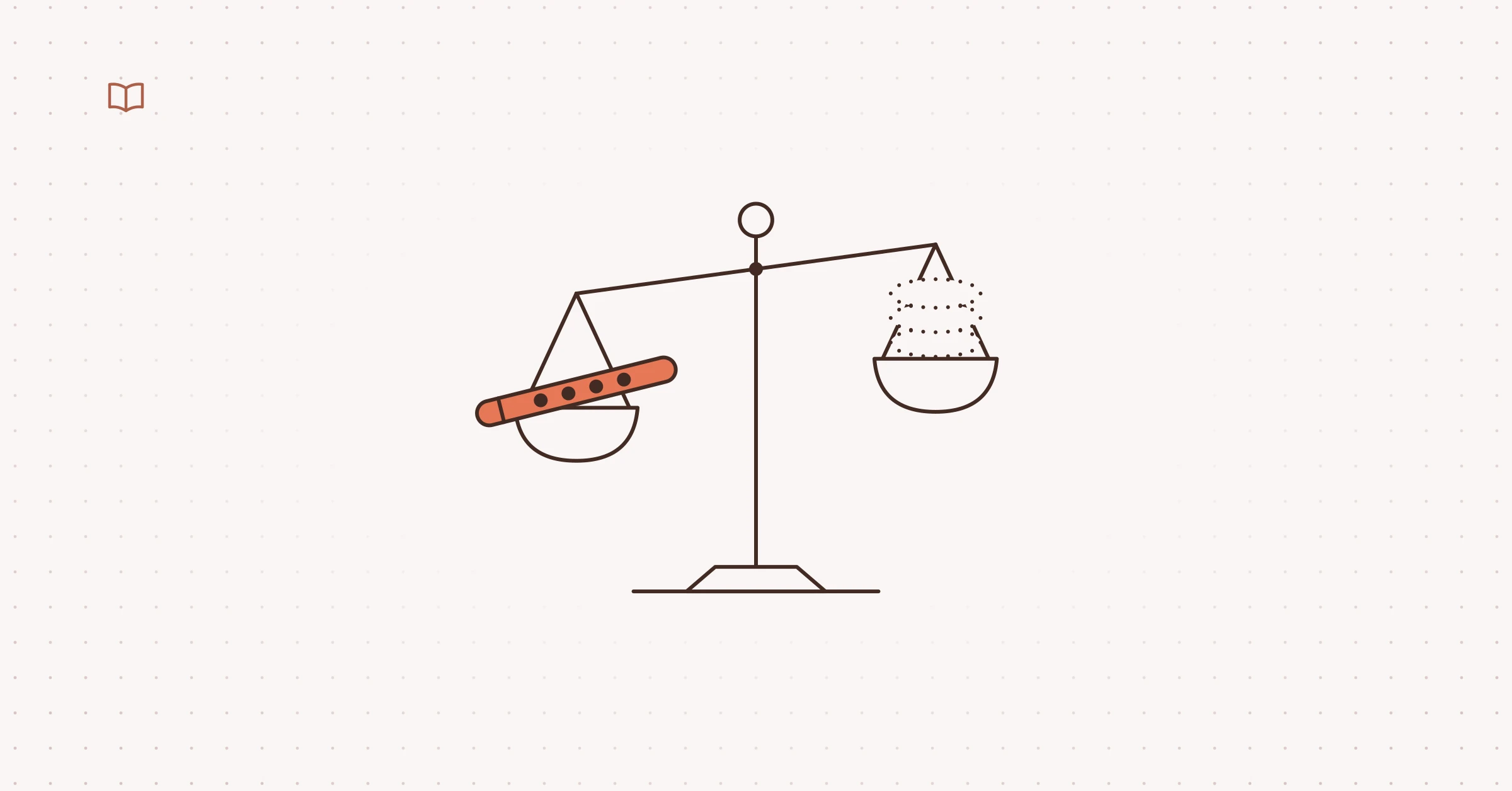
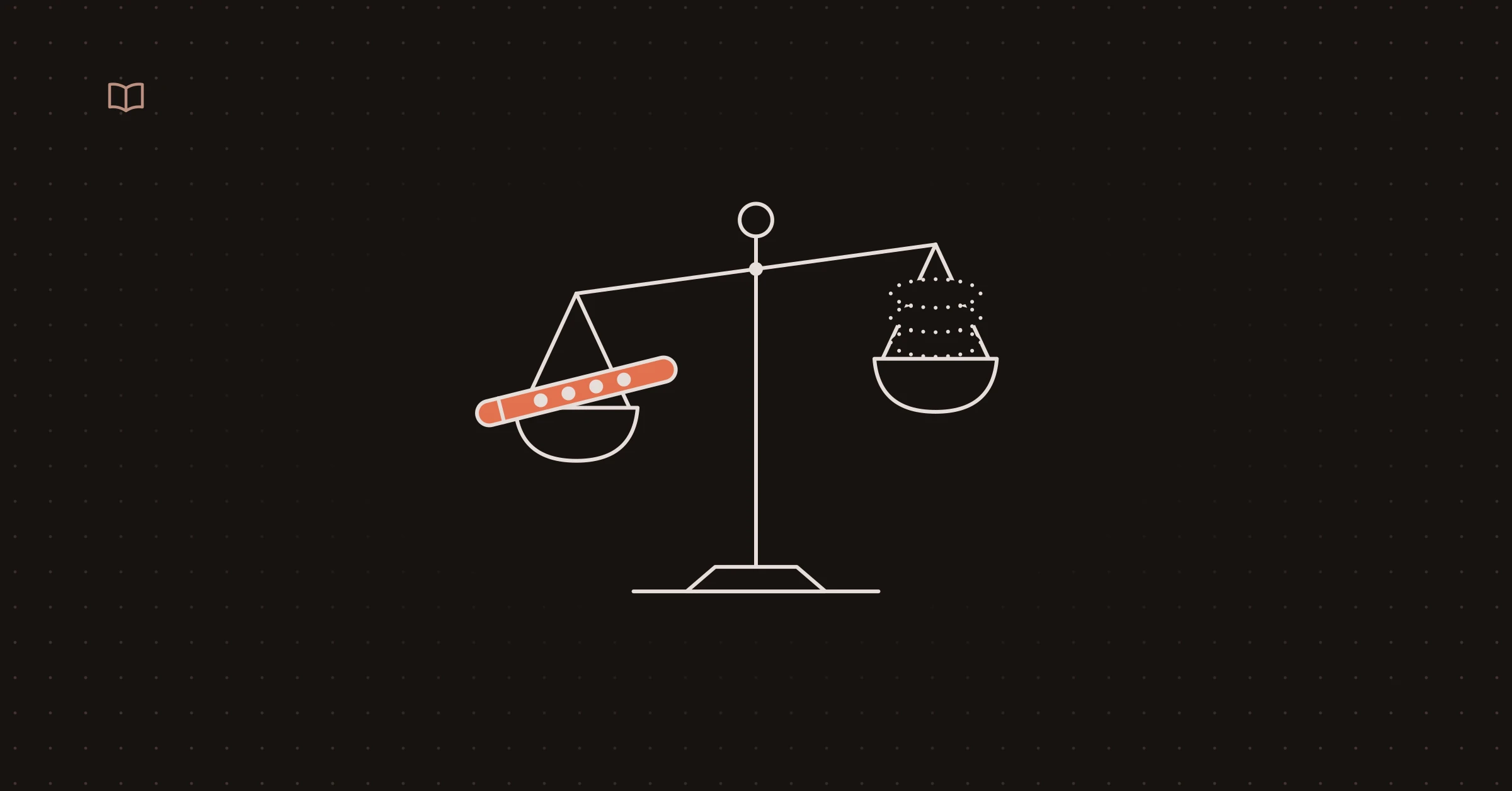
The veil of ignorance is a thought experiment by the American philosopher John Rawls. You imagine choosing the basic rules of a society without knowing who you will be in it, and you treat the rules you would choose there as fair. Rawls called this imagined situation the original position. Behind the veil you do not know your class, wealth, talents, religion, sex or even your own idea of a good life. You do know general facts about economics and psychology. You also know that you will want what Rawls called primary goods, the things almost everyone needs whatever their plans: rights and liberties, opportunities, income and wealth, and the basis for self-respect.
We can watch the veil work on a simple choice. Imagine three societies, each with three groups of equal size, and yearly incomes as follows:
| Society | Poorest third | Middle third | Richest third | Average |
|---|---|---|---|---|
| A | 12,000 | 40,000 | 140,000 | 64,000 |
| B | 20,000 | 35,000 | 60,000 | about 38,000 |
| C | 18,000 | 45,000 | 90,000 | 51,000 |
- Without the veil, the choice is easy to predict. Someone who knows they will be in the richest third likes society A, and someone who knows they will be poor likes society B.
- Behind the veil, you could end up in any of the nine places, so you have to judge each society from every position at once, including the worst one.
- Rawls’s answer is that a careful person would look first at the worst position and choose the society where it is best. This rule is called maximin, short for “maximize the minimum”, and here it picks society B, because its poorest third earns 20,000.
Rawls argued that people in the original position would first secure equal basic liberties and fair equality of opportunity. For income and wealth they would accept inequalities only when those inequalities work to the benefit of the least advantaged, which he called the difference principle. His reason for maximin was that when the stakes are your whole life and you cannot estimate the odds, you should choose the option whose worst outcome you could live with.
What the veil of ignorance teaches you
The question to carry away is whether you would still accept a rule if you did not know on which side of it you would end up. It helps wherever you set rules that will later apply to you and to other people.
- Work. A team that agrees on how to share a bonus before the results are known has to find a rule everyone can accept. A team that decides afterwards argues from what each member knows about their own results.
- Money and health. Buying insurance is a small, real version of the veil, because you choose the cover before you know whether you will be the one who gets ill.
- The news. When a debate about taxes or pensions turns on who wins and who loses, you can ask which policy you would support if you could be any of the people affected.
Researchers have tested this question directly. In 2019 Karen Huang, Joshua Greene and Max Bazerman ran seven experiments with 6,261 people and first asked them what they would want if they did not know which of the people affected they would be. Afterwards, 83 percent supported a law that self-driving cars must swerve to save nine pedestrians at the cost of the passenger, compared with 58 percent in a control group. In the footbridge case from What Is the Trolley Problem?, approval of pushing one man to save five rose from 24 to 38 percent.
Does everyone behind the veil choose what Rawls chose?
Many people think that the veil itself delivers Rawls’s answer, but it only removes self-interest, and the choice behind it still depends on how you reason about risk. The economist John Harsanyi had used a similar device in 1953 and reached the opposite answer. If you have an equal chance of being anyone, he argued, a rational person chooses the highest average level of well-being. If income stands for well-being, that means society A. Harsanyi’s measure of well-being can still give the poor extra weight, because 1,000 more usually matters more to them. In 1975 he called maximin irrational, because it can give up large gains for most people to secure a small gain for the worst-off.
Real groups have tried the experiment. The political scientists Norman Frohlich and Joe Oppenheimer asked groups of students in Canada, the United States and Poland to agree on a rule for sharing income before they knew their own income class. They published the results in 1987 and in the book Choosing Justice (1992). Only 1 of 81 groups chose Rawls’s rule of maximizing the floor, and 10 chose the highest average. About three out of four chose a mix of both: the highest average with a guaranteed minimum. With a minimum of 15,000, that rule would pick society C.
Two further objections concern the device itself. The philosopher Ronald Dworkin argued that an imagined agreement binds nobody, because no one actually agreed. Rawls’s defenders reply that the veil is a way of testing rules, not a real contract. The second objection comes from Michael Sandel and other communitarians, who argued that people cannot choose principles of justice without knowing their own goals and the communities they belong to. Sandel’s book Justice explains this criticism alongside Rawls’s own argument that talents and family background are a matter of luck.
Learn more
The phrase “veil of ignorance” comes from John Rawls, an American philosopher who lived from 1921 to 2002, was born in Baltimore and taught at Harvard from 1962. He worked on the idea in articles from 1958 onward and set it out fully in A Theory of Justice (1971), as a more abstract version of the social contract found in Locke, Rousseau and Kant. Harsanyi’s two-page note of 1953 had already imagined a choice made with an equal chance of being anyone, so Rawls was not the first to use the device, although he gave it its name and its most famous answer. Since then economists and psychologists have turned it into experiments.
To see where the veil fits among the other great theories of justice, read “Justice: What’s the Right Thing to Do?” by Michael J. Sandel: Summary and Review, which tests Rawls against utilitarianism, libertarianism and Aristotle. For a case where people who know exactly where they stand must still agree on shared rules, read What Is the Tragedy of the Commons?, which shows how many communities that share a resource have managed it.
Quiz
3 questions · up to 3 points
Open a question and pick one answer. Only your first answer counts: +1 if it is right, −1 if it is wrong.
What do the people choosing rules behind Rawls's veil of ignorance not know?
Show answer
Their own place in society, such as their wealth, talents, religion and sex The veil hides every fact about who you will be, so you cannot choose rules that favor your own position.
A sports club must set its fees before it knows which members will lose their jobs this year. Which question uses the veil of ignorance?
Show answer
Which fee rule would I accept if I did not know whether I will be one of the members who lose their job? This hides your own situation and asks which rule you could accept from any position, which is the test Rawls proposed.
Which statement about the veil of ignorance matches the article?
Show answer
The veil does not fix the answer alone, because what people choose behind it depends on how they reason about risk. Rawls's cautious reasoning leads to protecting the worst-off, Harsanyi's equal-chance reasoning leads to the highest average, and most laboratory groups chose a mix of both.
Your points are saved only in this browser for now. Accounts that keep them for good are on the way.
Continue learning: "Justice: What's the Right Thing to Do?" by Michael J. Sandel: Summary and Review →The takeaway
The veil of ignorance, John Rawls's thought experiment from 1971, tests rules by asking which ones you would choose if you did not know your place in society. Rawls thought you would protect the worst-off position and pick the society whose poorest group is best off. John Harsanyi used a similar device to argue for the highest average instead, and in experiments only 1 of 81 groups chose Rawls's rule, while most chose a high average with a guaranteed minimum. Use it to test any rule you make that will also apply to you.
Key quotes
“The principles of justice are chosen behind a veil of ignorance.”
References
- Original Position. Samuel Freeman, Stanford Encyclopedia of Philosophy, 2023
A careful overview of what the parties behind the veil know and do not know, why Rawls thought they would use maximin, and the objections of Harsanyi, Nozick, Dworkin and the communitarians.
- John Rawls. Henry S. Richardson, Internet Encyclopedia of Philosophy
Rawls's life and work, the two principles of justice, and how the original position fits into his later political liberalism.
- Choosing Justice: An Experimental Approach to Ethical Theory. Norman Frohlich and Joe A. Oppenheimer, University of California Press, 1992
The full book, free to read: 81 groups in Canada, the United States and Poland choose a rule of distribution behind an imposed veil.
- Veil-of-Ignorance Reasoning Favors the Greater Good. Karen Huang, Joshua D. Greene and Max H. Bazerman, Proceedings of the National Academy of Sciences 116 (48), 23989–23995, 2019
Seven experiments with 6,261 people in which thinking behind the veil first changed answers to the footbridge dilemma and a policy for self-driving cars.
- Cardinal Utility in Welfare Economics and in the Theory of Risk-taking. John C. Harsanyi, Journal of Political Economy 61 (5), 434–435, 1953
The two-page note in which Harsanyi imagined choosing with an equal chance of being anyone, eighteen years before Rawls's book.