Who Vouches for a Copy? Why Every Information Revolution Is About Trust

5 min read≈ 1,200 words
What this is about
Making copies has become cheaper with every new medium, from hand-copied parchment to printed books to digital files that cost nothing. You learn why each step forced people to find a new way to tell a genuine copy from a false one, and what the matching halves of a tally, a printer's licence and a digital signature have in common. You also get one question to ask of any text or image, including machine-made ones.
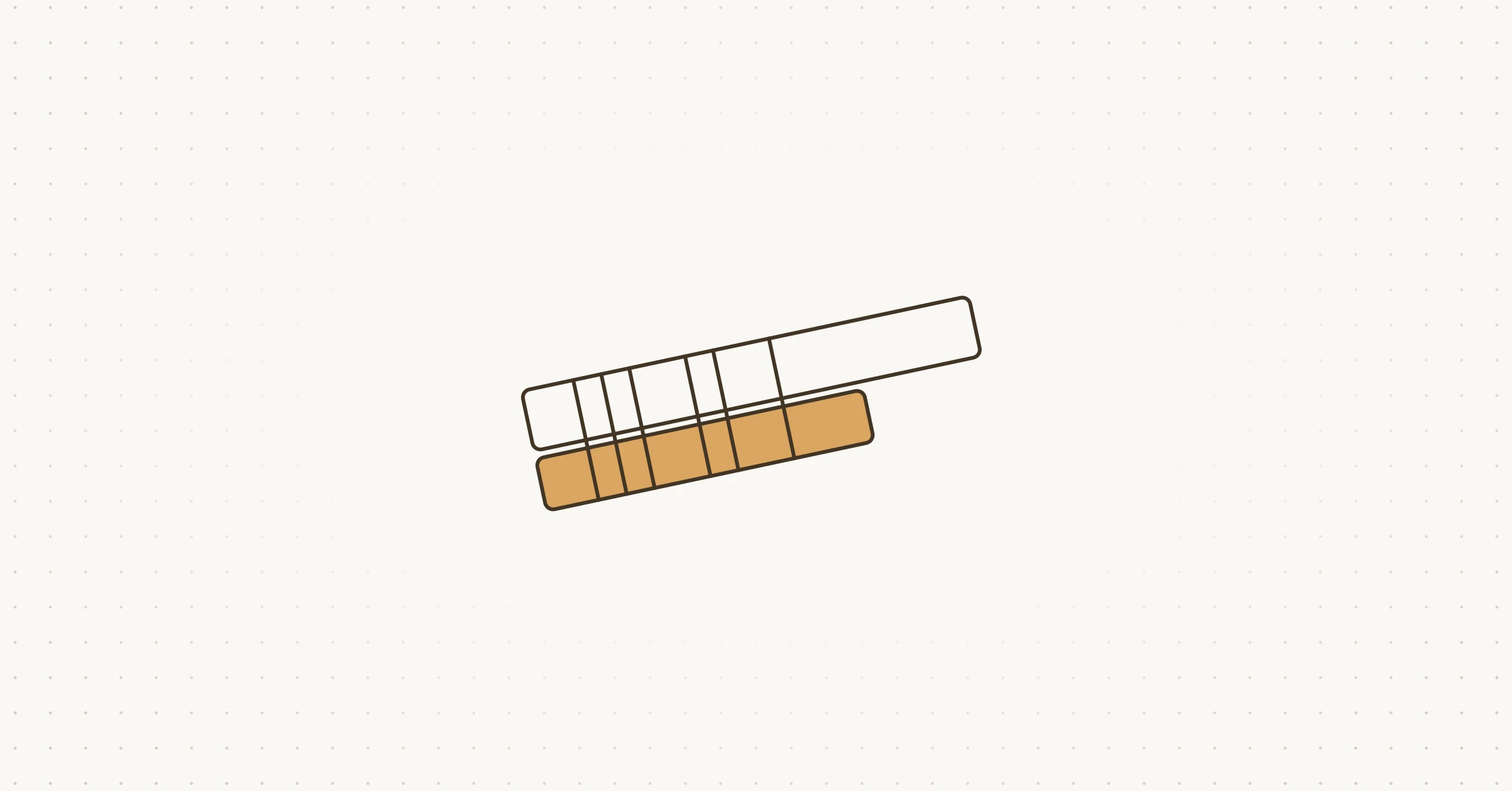
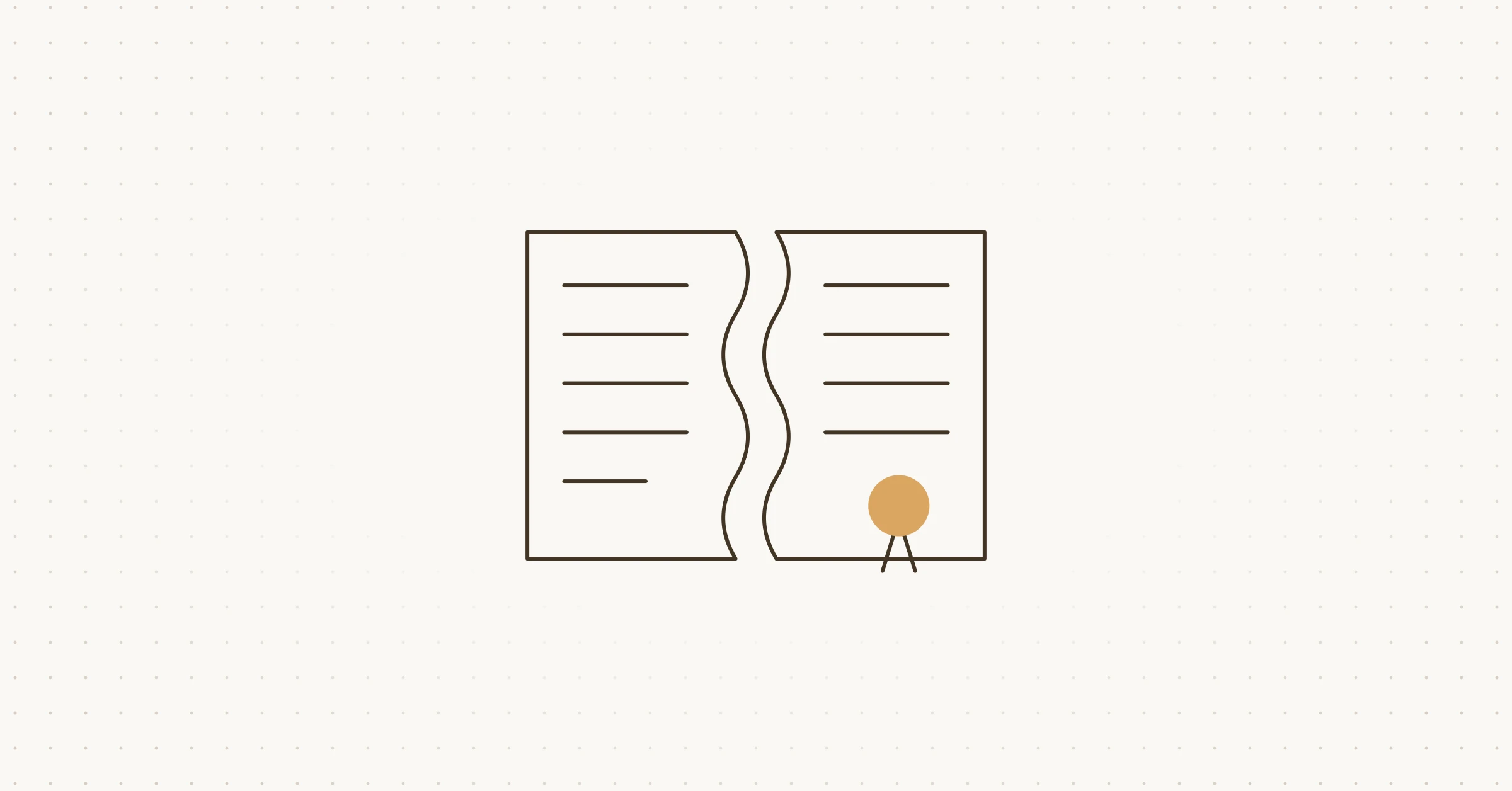
In medieval England, two parties who made an agreement often wrote it out twice on one sheet of parchment. Between the two texts a clerk wrote a word in large letters, often chirographum, Latin for “handwriting”, and then cut the sheet in two with a wavy line through that word. Each party took one half home, and a forged version would no longer fit the other half along the cut. Such a document was called a chirograph, and it answers a question that every new way of copying has had to answer again: when you hold a copy, who stands behind it, and how can you check?
What does a copy need besides its words?
A copy carries two things, and only one of them is easy to reproduce. One is the content, meaning the words or pictures. The other is a guarantee, meaning evidence that a particular person or office made this copy and accepts responsibility for it. Anyone who can write can copy the words of a contract, so the guarantee must come from something a forger does not have.
My argument is that every information revolution made the content cheaper to copy and so made the guarantee scarcer, because each time the old way of proving a copy genuine stopped working and people had to build a new one. Over time the guarantee moved from the material of the copy, to a name that could be held responsible, to a secret that only one party holds.
How could an object prove itself?
The chirograph and the split tally stick put the guarantee into the material itself. Wood and parchment never split or tear the same way twice, so the irregular edge of each half was the one thing a forger could not reproduce. How the English Exchequer kept its accounts this way for centuries is told in What Were Tally Sticks?. The wavy cut also gave such documents a lasting name, indentures, after their “indented” edge.
This method protected a document that existed in two pieces, but not a text that circulated in many hand-made copies. The Donation of Constantine, a forged grant of power from the Roman emperor Constantine to the pope, was copied and cited for centuries. In 1440 the Italian scholar Lorenzo Valla showed that its Latin used words and names unknown in Constantine’s time, but he could check only its language, not who had made it, and that took expert knowledge.
Why did print move the guarantee from the object to a name?
Print made the problem harder, because the press made copies identical. A pirated edition could look exactly like the authorized one, so paper and ink no longer proved anything. How identical pages changed scholarship is explained in What Was the Printing Revolution?.
To tell good copies from bad ones, governments and printers put the guarantee into a name that could be held responsible. In 1469 the government of Venice gave the printer Johann of Speyer a five-year exclusive right to print there, the first known printing privilege granted by a European government. In 1557 the English Crown gave a royal charter to the Stationers’ Company, the London guild of printers and booksellers, whose members entered each new title in the company’s register. Among the Stationers, owning a “copy” meant owning the right to print a text, so in their trade the word already named the guarantee rather than the object.
The Statute of Anne of 1710, usually called the first copyright law, then gave this right for a limited time to authors. The historian Adrian Johns argues in The Nature of the Book (1998) that print did not become trustworthy by itself. In his account, piracy made any printed book hard to trust, and copyright developed largely to separate authorized books from pirated ones. Readers learned to trust a book through the printer’s name, the register behind it and the reputation of the people involved.
What does a digital signature add?
Digital copies remove the last differences. A file copied a million times is identical in every bit, so nothing in the copy can show where it came from, and the guarantee has to come from a secret.
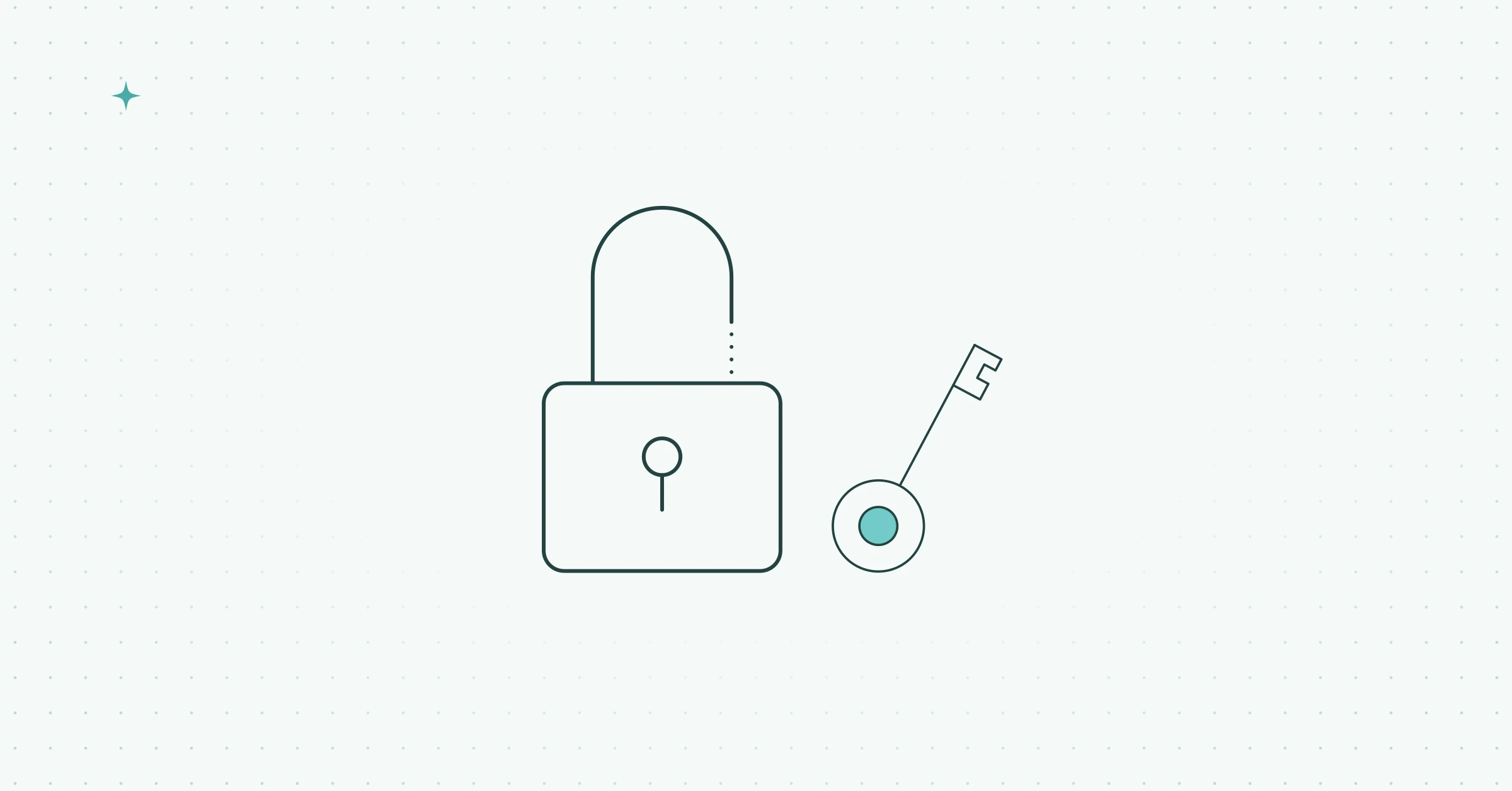
This is what a digital signature does. In 1976 Whitfield Diffie and Martin Hellman described the need for a digital equivalent of a handwritten signature, and public-key systems soon provided one. The signer keeps a private key secret and publishes a matching public key, so anyone can check that a file was signed by the holder of the private key and has not changed since. The mathematics is explained in What Is Public-Key Cryptography?. The structure is close to the tally stick’s, with two matching halves, one kept by the signer and one shown to the world, and a check that succeeds only if they fit.
What should we ask of text and images made by machines?
The same pattern explains why texts, pictures and voices made by computer programs are so unsettling. These programs produce something cheaper than copies, namely convincing new originals that nobody wrote, photographed or recorded. Asking whether a picture looks real tells you less and less, just as a well-made pirated edition looked exactly like the real one.
The better question is the old one: who stands behind this, and how can I check? Some camera makers and publishers already attach signed records of origin to images, which work like a register and show who made a file and how it was edited.
Where does this argument stop?
The argument has two limits. The first is that a guarantee proves origin, not truth, so a signed lie is still a lie. In 1631 the king’s printers in London produced a Bible that left the word “not” out of the commandment against adultery, and every copy was genuine, authorized and wrong.
The second limit is that every technical guarantee depends on people and institutions. A signature helps only if you know whose key it is, and on the web that is confirmed by companies called certificate authorities. Guarantors have also often been controllers. The English Licensing Act of 1662 required books to be licensed and registered in order to stop “seditious” and “treasonable” books, and censorship before printing ended only when the Act lapsed in 1695. Yuval Noah Harari argues that large-scale cooperation depends on shared beliefs in things like money and law, as discussed in “Sapiens” by Yuval Noah Harari: Summary and Review. A signature cannot replace that kind of trust, because it only names the party you must trust.
So when a new medium appears, the useful question is who stands behind a particular copy and whether you can check, much more than how many copies the medium makes or how real they look. When you can answer both parts, you know whom you are trusting. When you cannot, the copy may still be true, but you are trusting someone you cannot name, and it helps to notice that.
Think about it
There is no right answer here. Take a minute before you move on.
- 1.Think of the last screenshot, quote or video you forwarded. Did you know who stood behind it, and could you have checked?
- 2.Which people or institutions do you trust to vouch for information without checking them yourself, and why?