What Is the Tao?
6 min read≈ 1,230 words3 questions · up to 3 points
What this is about
The most famous book about the Tao warns in its first line that the Tao you can talk about is not the real one. You learn what the word means, how a cook carving an ox became the classic picture of it, and why following it does not mean sitting still and letting things happen.
In a nutshell· skip ahead
The Tao, Chinese for "the way", is the central idea of the Tao Te Ching and of Taoism. It means both the nameless source from which all things come and the course they follow by themselves. Living by the Tao means acting with that course instead of forcing against it, an attitude called wu wei.
The Tao Te Ching, the founding text of Taoism, has only about 5,000 Chinese characters, and its first line warns that the Tao you can put into words is not the real Tao. So what can a reader learn about something that its own classic says cannot be explained?
What does the word Tao mean?
Tao (also written dao, 道) is Chinese for “way” or “path”. In the Tao Te Ching it means two things at once: the nameless source from which everything comes, and the course that everything follows by itself. To live by the Tao is to act along that course instead of forcing against it.
The word started out as an everyday one, meaning a wide road or a waterway, and then the right way to do something or the teaching that shows it. Many schools in ancient China spoke of a dao in this sense, so the Confucians had their own dao of ritual and good manners. The Tao Te Ching makes the word larger, the way of the whole world. In chapter 25, in the translation that the Scottish scholar James Legge published in 1891, it describes something that existed “before Heaven and Earth” and says:
I do not know its name, and I give it the designation of the Tâo (the Way or Course).
The same chapter ends with “The law of the Tâo is its being what it is.” Things follow the Tao when they go their own way, the way water runs downhill. As a verb, dao can also mean “to speak”, so the first line plays on the word. Legge translates it as “The Tâo that can be trodden”, and the Stanford Encyclopedia of Philosophy as “the Way that can be spoken of”. The line does not say that nothing can be said about the Tao, only that any name points toward it without capturing it.
How does a cook show the Tao at work?
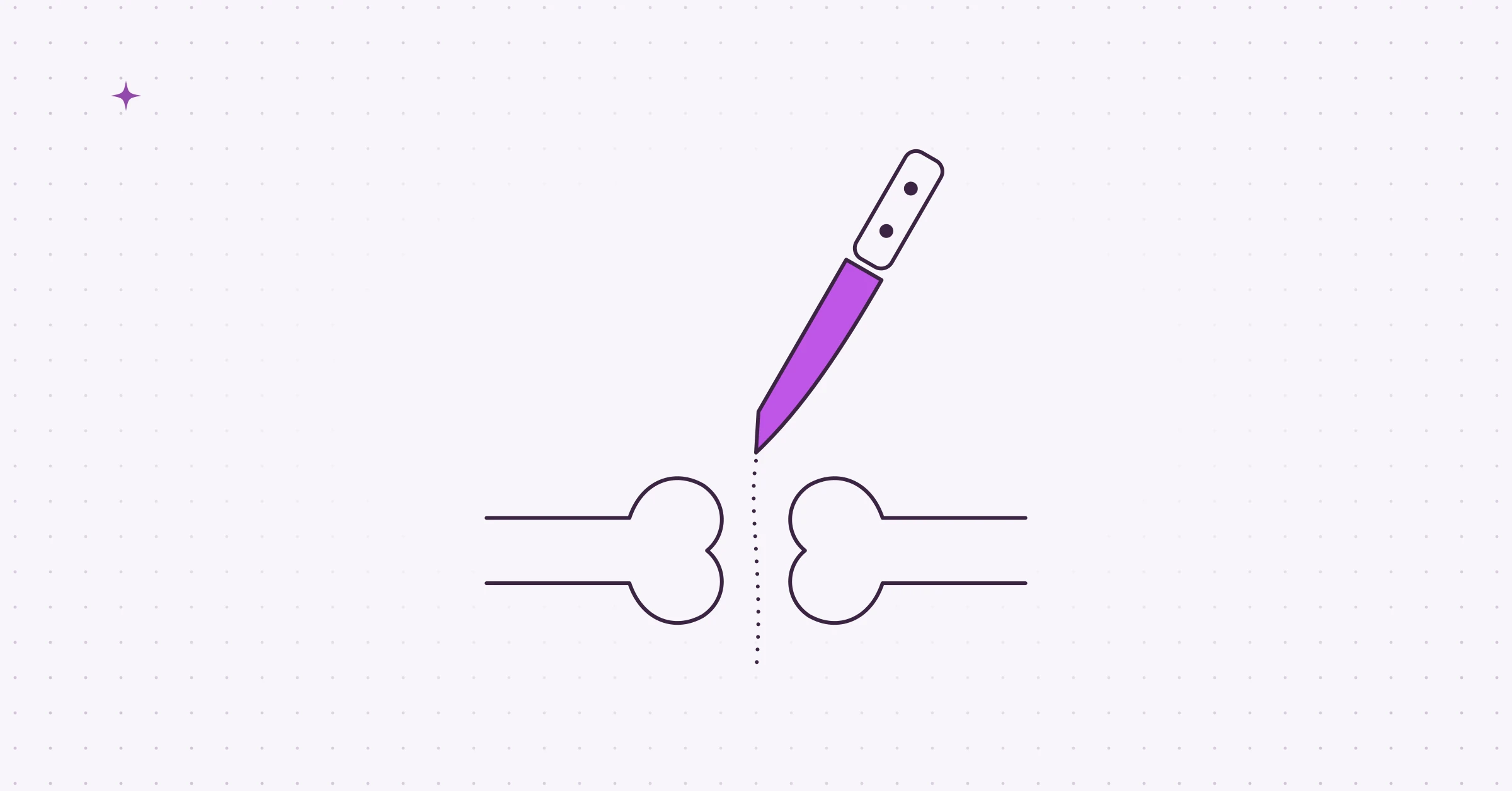
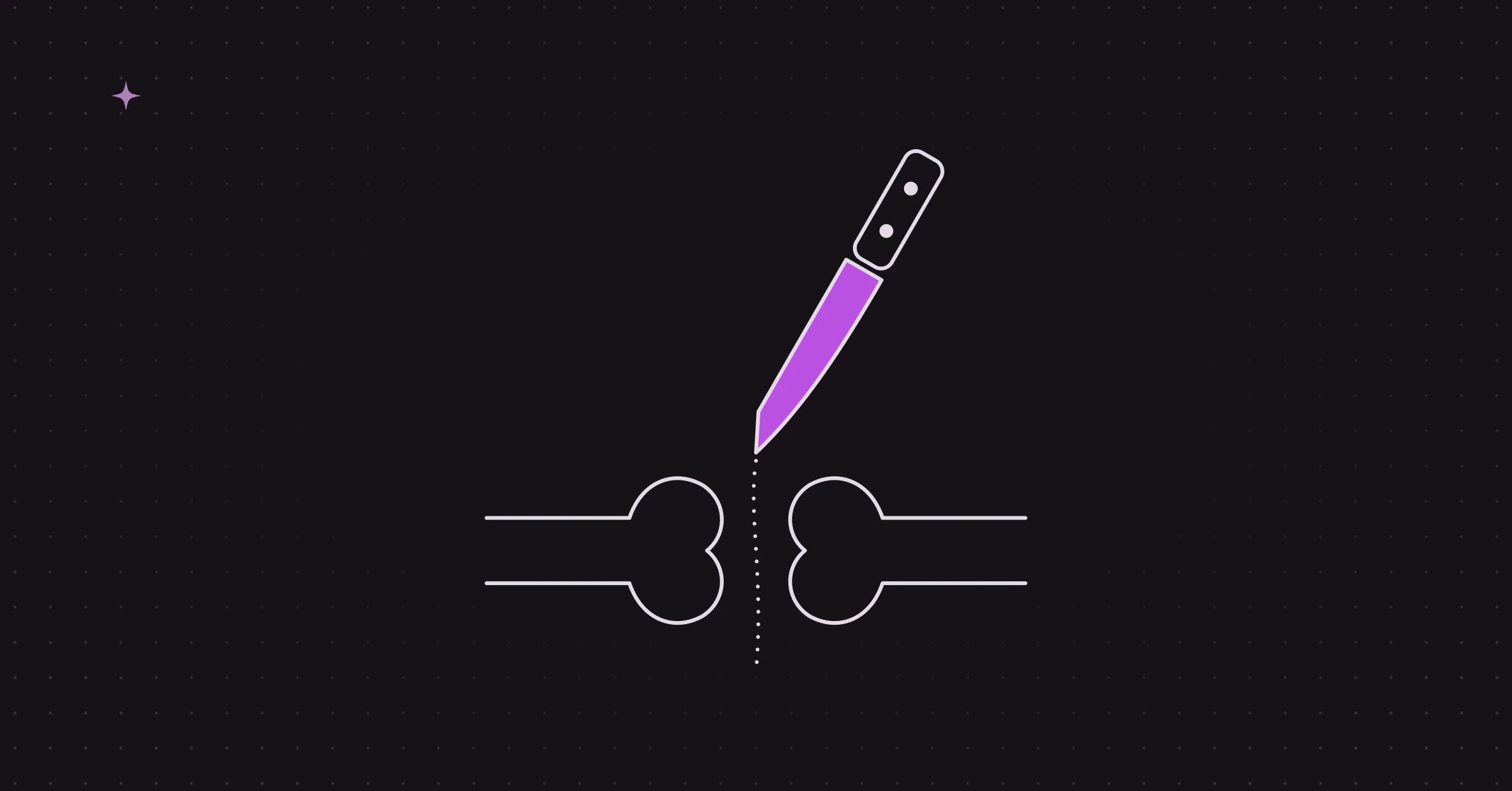
The clearest picture of the Tao in action is not in the Tao Te Ching at all but in the Zhuangzi, the second classic of Taoism, from the late 4th century BCE. In its third chapter a cook named Ding cuts up an ox for a ruler, and every movement and sound is so even that it looks like a dance. The cook explains what he has learned in four steps.
- At first he saw only the whole animal. As a beginner, Ding saw one big body that he had to get through.
- After three years he stopped seeing it as a whole. He saw the parts, and the joints and spaces between them.
- Now he follows the natural lines. His knife slides through the gaps and hollows of the body and avoids the bones, so he never cuts against something harder than the blade.
- At a difficult joint he slows down. He watches closely, moves his hand slowly, and then a small movement of the knife separates the part.
The result is in the knife. A good cook, Ding says, changes his knife once a year because cutting wears it down, and an ordinary cook changes it every month because he breaks it. Ding has used the same knife for nineteen years and several thousand oxen, and its edge is still as sharp as new.
This is what Taoists call wu wei, usually translated as “non-action”. It does not mean doing nothing, because Ding works hard and with full attention. It means acting without forcing, so that the effort goes where the material already gives way. The Tao Te Ching says the same about the Tao itself in chapter 37: it “does nothing (for the sake of doing it), and so there is nothing which it does not do.”
What the Tao teaches you
The Tao teaches you to ask, before you push harder, where the problem itself gives way. Ding did not try less; he looked until he saw the gaps.
- Learning a skill. Ding needed three years before he stopped seeing a single obstacle, and any beginner in music, language or sport goes through the same change. Practice shows you where a task can be divided.
- Conflict. Chapter 78 says there is nothing softer and weaker than water, and nothing better at wearing down what is hard. In an argument, a calm question often moves someone further than a harder push, because it lets them change their mind without losing face.
- Good and bad luck. Chapter 58 says that happiness lies beside misery and asks: “Who knows what either will come to in the end?” The story told in What Is the Parable of the Chinese Farmer? turns this line into a tale about a lost horse.
The same attitude appears in Chinese strategy, as The Art of War by Sun Tzu: Summary and Review shows: Sun Tzu also prefers winning by yielding to winning by force.
Is the Tao a god, and does it mean doing nothing?
The first common misreading is that the Tao is a god. In chapter 1 of the Tao Te Ching it is the “Mother of all things”, but it does not command, judge or reward anyone, so it is closer to a source and a pattern than to a person. Later religious Taoism did go further: from the 2nd century CE, organized Taoist communities worshipped Laozi as a god and saw him as the Tao in human form.
The second misreading is that wu wei means passivity, but the cook cuts every ox to the end and takes the most care exactly where the work is hardest.
The strongest objection is that the idea is too vague to guide anyone. “Follow the natural course” does not tell you which course is natural, and illness, cruelty and greed are natural too. The Tao Te Ching also has a darker political side: in chapter 3 the wise ruler “empties their minds, fills their bellies”, keeping the people without knowledge and without desire. A reader can admire the cook and still reject a government that keeps its people simple on purpose.
Learn more
The Tao has no single originator. Tradition names Laozi, “the Old Master”, whom the historian Sima Qian (about 145 to 86 BCE) described as a keeper of archives at the Zhou court. Few scholars outside China accept this account in full, and most think the sayings were written down from the late 5th century BCE and collected over the following century. The oldest copies show a text that was still changing. Bamboo strips from a tomb at Guodian, closed around 300 BCE, hold only about 2,000 of the 5,000 characters. Two silk copies from a tomb at Mawangdui, closed in 168 BCE, even put the second half of the book first.
To see how a modern writer used Taoism to question straight lines and fixed plans, read The Wiggliness of the World: Alan Watts on Straight Lines and a Curved Reality. For the whole book, with its seven main ideas and advice on which translation to read, see “Tao Te Ching” by Laozi: Summary and Review. For the Indian idea that links good and bad fortune to a person’s own deeds, read What Is Karma?.
Quiz
3 questions · up to 3 points
Open a question and pick one answer. Only your first answer counts: +1 if it is right, −1 if it is wrong.
In the Zhuangzi, why has the cook Ding's knife stayed sharp for nineteen years?
Show answer
He moves the blade through the gaps in the joints instead of cutting through bone. Ding follows the natural lines of the ox, so the edge never meets hard bone. Ordinary cooks hack and break their knives.
A student has spent two hours forcing the first paragraph of an essay, and nothing works. Which step fits the idea of wu wei best?
Show answer
Look for the part that is easiest to write now and start there. Wu wei means acting along the grain of a task, like the cook's knife in the gaps. Starting where the work gives way is that kind of action.
Which statement about wu wei is most accurate?
Show answer
It means acting without forcing, and it can take great skill and attention. Scholars stress that wu wei is not total inaction. The cook works with full attention and slows down at every difficult joint.
Your points are saved only in this browser for now. Accounts that keep them for good are on the way.
Continue learning: What Is the Parable of the Chinese Farmer? →The takeaway
The Tao, Chinese for "way", is the nameless source of all things and the course they follow by themselves. In the Zhuangzi, the cook Ding cuts oxen for nineteen years without dulling his knife because he follows the gaps in the joints instead of hacking through bone. Acting this way, called wu wei, is skilled and careful action, not doing nothing. The idea is vague, because it does not say which course is natural, but it helps you ask where a problem gives way before you push harder.
Key quotes
“The Tâo in its regular course does nothing (for the sake of doing it), and so there is nothing which it does not do.”
References
- Laozi. Alan Chan, Stanford Encyclopedia of Philosophy, 2025
The legend of Laozi, the dating of the text, the Guodian and Mawangdui manuscripts, and careful explanations of dao, wu wei and naturalness.
- The Texts of Taoism, Part I: The Tâo Teh King and the Writings of Kwang-3ze, Books I–XVII (Sacred Books of the East, vol. 39). James Legge (translator), Clarendon Press, Oxford; scan at the Internet Archive, 1891
The public-domain translation quoted here: all 81 chapters of the Tao Te Ching with Legge's notes, and the story of the cook in Book III of the Zhuangzi.
- Zhuangzi. Chad Hansen, Stanford Encyclopedia of Philosophy, 2024
How the Zhuangzi uses dao for many ways of life, which chapters are thought to be oldest, and the skill stories such as Butcher Ding.